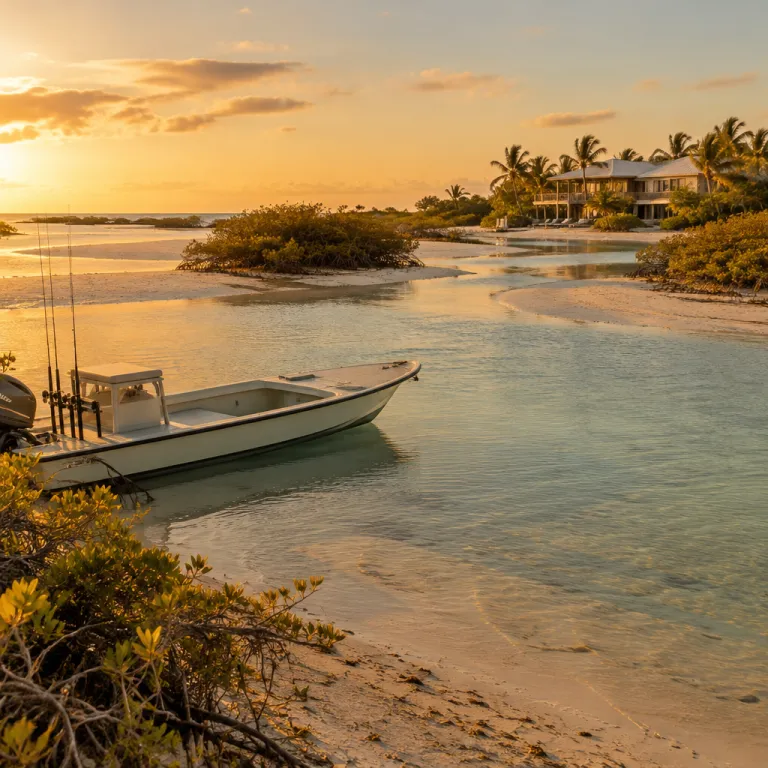
Why fishing in Belize pairs perfectly with a well chosen hotel
Fishing in Belize rewards travellers who match the right hotel with the right waters. Serious anglers planning a stay quickly realise that the coastline, cayes and mainland lodges shape every experience and every adventure on the sea. Choose your base with care and your daily catch, your comfort and your access to the reef or flats all improve dramatically.
Along the northern coast, Ambergris Caye and nearby islands place you close to the Belize Barrier, the celebrated second largest coral system on the planet. From these islands, anglers reach shallow flats within minutes, while deep sea drop offs sit only a short boat ride beyond the outer reef for a very different fishing adventure. Hotels here often coordinate fishing charters that combine early morning fly fishing on the flats with afternoon sea fishing over patch reefs for snapper and grouper species.
Farther south, Placencia and Hopkins in central Belize offer a quieter rhythm and easy access to both mangrove lined lagoons and offshore fishing spots. This region suits guests who want warm hospitality in smaller seaside properties, then quick transfers to fly fishing skiffs or larger deep sea vessels. When you experience Belize from these coastal villages, you feel close to local fishing practices and to the commercial fishers who supply the country’s seafood restaurants.
Turneffe Atoll lodges cater to anglers who want to live on the water, waking up directly on world famous flats. Here, belize fishing becomes an immersive routine, with guides poling skiffs across glassy shallows at dawn and returning only when the light fades. These properties usually include guided fishing charters in multi day packages, which simplifies planning for guests who prefer everything organised before arrival.
Wherever you stay, confirm that the hotel understands sport fishing regulations and works with licensed guides. Belize offers strong protections for key species, and the Fisheries Department states clearly : “Bonefish, Permit and Tarpon must be released; possession prohibited”. A property that respects these rules will help you enjoy top fishing while supporting conservation of the reef and flats you have travelled so far to experience.
Choosing the right region for your fishing adventure and diving packages
Every coastline in Belize offers a different balance of fishing in Belize, diving and snorkelling, so your hotel choice should follow your priorities. Ambergris Caye suits anglers who want lively evenings, varied restaurants and quick boat rides to both the barrier reef and deeper sea fishing grounds. Placencia and Hopkins feel more relaxed, with long beaches, mangrove lagoons and a slower pace that many seasoned anglers quietly prefer.
If your dream is a Grand Slam of tarpon, permit and bonefish on the same day, focus on Turneffe Atoll or the shallow flats around southern cayes. These waters give fly fishing specialists a realistic chance at that combination during the calmer months, when winds ease and visibility on the flats improves. Hotels that cater to this style of adventure fishing usually offer rod storage, early breakfasts and flexible schedules that follow tides rather than restaurant timetables.
Guests who want to combine sea fishing with world class diving should look closely at hotel packages that include both fishing charters and reef excursions. Many coastal properties now bundle Blue Hole or Lighthouse Reef trips with guided belize fishing days, creating efficient itineraries for limited holiday time. Before booking, study what each package really includes by reading a detailed guide on Belize Blue Hole diving costs from hotels, then compare that information with the fishing offers you receive.
For travellers who value privacy, a small island caye resort can feel unforgettable, especially when the skiff collects you directly from the dock each morning. These islands often sit close to productive fishing spots on both the barrier reef and nearby flats, reducing travel time and maximising hours with a fly in the water. Deep sea charters may require a longer run from these cayes, yet the transition from quiet island evenings to offshore adventure at sunrise has its own appeal.
Whatever region you choose, confirm that your hotel can arrange both fly fishing guides and larger sea fishing boats if you want variety. Some properties specialise in shallow flats and bonefish permit hunts, while others focus on trolling for pelagics beyond the reef, so clarity matters before you commit. When you experience Belize with a clear regional strategy, you avoid wasted transfers and spend more time exactly where the fish are feeding.
How hotels shape your access to the Belize Barrier Reef and key fishing spots
The single most important natural feature for fishing in Belize is the Belize Barrier Reef, which forms the backbone of the country’s marine life. This second largest barrier system in the world shelters calm lagoons on its landward side and drops into deep blue sea on the other, creating a mosaic of habitats for different fish. Where your hotel sits in relation to this reef determines whether you reach shallow flats, patch reefs or offshore ledges first.
Hotels on Ambergris Caye and Caye Caulker usually enjoy very easy access to the reef, with boat rides of less than fifteen minutes to many fishing spots. From these bases, anglers can start mornings casting over turtle grass for bonefish, then shift to snapper grouper drifts along coral heads before lunch. Afternoon sessions might move to the outer edge of the barrier reef, where sea fishing for larger predators becomes the focus as the light softens.
Properties in Placencia and Hopkins sit slightly farther from the main reef, yet they gain proximity to inner cayes and productive mangrove channels. These areas hold juvenile tarpon and permit, making them ideal for fly fishing practice before you tackle more technical shallow flats. Many hotels here coordinate fishing charters that split the day between lagoon exploration and reef edges, giving guests a broad experience without long transits.
Turneffe Atoll lodges place you directly inside a maze of flats, channels and reef walls, so the skiff ride from your room to your first cast can be measured in minutes. This level of immersion suits anglers who want to focus on belize fishing from dawn to dusk, with little interest in mainland nightlife. When you experience Belize from such a remote island base, every tide change feels like a new chapter in your fishing adventure.
Before booking, ask each hotel how they manage reef based excursions and what conservation measures they follow. A property that partners with licensed guides, respects marine reserve boundaries and promotes responsible fishing practices will help protect the barrier reef for future guests. For a broader view of how to choose reef focused excursions from hotels, study a specialist guide on Belize Barrier Reef tours from hotels, then apply the same questions to your fishing plans.
Target species, seasons and sustainable fishing practices around Belize hotels
Anglers booking hotels for fishing in Belize usually arrive with a short list of target species in mind. Tarpon, permit and bonefish dominate those lists, yet reef dwellers like snapper and grouper also attract guests who enjoy varied techniques. Understanding when and where each fish feeds helps you choose the right property, the right guides and the right style of charter.
Shallow flats around Turneffe, southern cayes and parts of Ambergris Caye hold bonefish year round, with peak sight fishing when winds are lighter and water clarity improves. These same flats and nearby channels also host permit, whose wary behaviour makes every successful catch feel unforgettable and intensely earned. Hotels that specialise in fly fishing often employ guides who read tides and light with impressive precision, giving visiting anglers a steep yet rewarding learning curve.
Tarpon favour mangrove lined lagoons, channels and deeper cuts near the reef, so properties close to such waters offer clear advantages. Placencia, Hopkins and certain cayes near the mainland provide quick access to these habitats, where rolling fish reveal themselves at dawn and dusk. Many fishing charters in these regions structure days around tarpon at low light, then shift to reef or flats species once the sun climbs higher.
Belize offers strong legal protection for its iconic sport species, and every visiting angler should respect those rules without compromise. Bonefish, permit and tarpon fall under a strict catch and release regime, while commercial species like lobster and conch face closed seasons to protect stocks. Hotels that promote these regulations, encourage barbless hooks and support local conservation projects demonstrate the kind of warm hospitality that serious anglers increasingly seek.
When you experience Belize through this lens of sustainability, your fishing adventure becomes part of a wider story of reef protection and community livelihoods. Ask your hotel about their relationships with local guides, marine reserves and enforcement agencies, then favour properties that show long term commitment rather than short term gain. Responsible sea fishing today means healthier waters, better fish and more top fishing opportunities for the guests who will follow you.
Evaluating fishing charters, hotel services and warm hospitality on the coast
Not all fishing charters linked to hotels in Belize operate at the same standard, so careful evaluation pays off. When you enquire, ask whether the charter is an in house operation or an independent guide service that simply collects guests at the dock. Clarify how many anglers each boat carries, what tackle is provided and whether fly fishing equipment is included or must be rented separately.
For shallow flats and fly fishing focused days, smaller skiffs with poling platforms work best, especially when stalking bonefish or permit in ankle deep water. Deep sea and reef trips require larger vessels with shade, safety gear and enough power to reach offshore ledges beyond the barrier reef efficiently. Hotels that partner with experienced captains usually provide clear descriptions of each boat type, which helps you match your expectations to the reality on the water.
Warm hospitality matters as much as technical skill, particularly when you are far from home and investing in a major fishing adventure. Look for properties where staff understand tide charts, early breakfast needs and the simple importance of a secure place to dry gear overnight. When a hotel team anticipates these details, you feel free to focus on the fish rather than logistics.
Some coastal hotels now offer multi day adventure fishing packages that bundle accommodation, meals and a set number of guided days. These arrangements can represent strong value, yet you should always read the fine print on fuel surcharges, tackle loss and weather cancellations. A thoughtful article on how to read past glossy resort brochures in Belize provides useful principles that apply equally well to fishing offers.
Finally, consider how each property supports non fishing companions, because their comfort shapes the overall experience. Pools, spa services, cultural excursions and reef snorkelling trips all help balance long days on the water, especially on Ambergris Caye and Placencia. When you experience Belize with a hotel that treats anglers and non anglers with equal care, every member of your party returns home with their own unforgettable story.
Diving and snorkelling packages that complement fishing focused hotel stays
Many travellers planning fishing in Belize also want to explore the underwater world through diving and snorkelling. Hotels that understand this dual interest design packages where reef time and rod time complement rather than compete with each other. The best properties coordinate fishing charters on prime tide windows, then schedule dives or snorkel trips when the sun sits higher and sight casting is less productive.
On Ambergris Caye and Caye Caulker, it is common to spend mornings on the flats or reef edges, then join afternoon snorkel tours to Hol Chan Marine Reserve or Shark Ray Alley. These waters showcase the living structure that supports your fishing adventure, from coral heads sheltering juvenile fish to channels where larger predators cruise. When you experience Belize in this integrated way, you gain a deeper respect for how the barrier reef underpins both tourism and local livelihoods.
Placencia and Hopkins hotels often package lagoon or sea fishing with snorkelling at nearby cayes, creating varied days that suit mixed groups. One guest might chase tarpon at dawn, while another enjoys calm water snorkelling over patch reefs, then everyone reunites for a relaxed island lunch. Such itineraries work especially well for families, where not every traveller wants to spend full days casting a fly or jig.
Turneffe Atoll lodges sit beside some of the country’s most celebrated dive walls, so combining deep sea fishing with dramatic drop off dives becomes straightforward. Here, anglers can troll for pelagics along the outer reef in the morning, then descend those same walls with scuba gear in the afternoon. Hotels that offer both activities usually maintain close relationships with marine reserve authorities, ensuring that fishing practices and diving protocols align with conservation goals.
When comparing packages, ask detailed questions about boat sharing, guide ratios and whether equipment rental is included or extra. A transparent hotel will explain exactly how many guests join each dive or snorkel group, how long you spend in the water and what safety standards apply. By aligning your expectations with these details, you experience Belize as a coherent marine destination where every day on or under the sea feels carefully curated.
Key figures and regulations that shape fishing in Belize
- Belize’s sport fishing regulations require a licence for all visiting anglers, with permits available online or through authorised agents, which helps fund enforcement and marine conservation programmes.
- Bonefish, permit and tarpon are legally designated catch and release only species for recreational anglers, a policy that protects these slow growing fish while still supporting high value tourism.
- The closed season for queen conch lasts approximately ninety one days each year, while Nassau grouper enjoys a longer closure of about one hundred twenty one days, both measures designed to safeguard spawning periods.
- Marine reserves and no take zones have expanded steadily over recent decades, reflecting Belize’s strategy to balance commercial fishing, sport angling and reef based tourism within the same coastal waters.
- Sport fishing, diving and snorkelling together contribute a significant share of Belize’s tourism revenue, reinforcing the economic importance of healthy reefs, mangroves and seagrass beds for local communities.
FAQ about hotel based fishing in Belize
Do I need a licence to go fishing from my hotel in Belize ?
Yes, every visiting angler must hold a valid sport fishing licence, whether you fish from shore, from a skiff on the flats or on offshore charters. Many hotels and guides can arrange this paperwork on your behalf, but you remain responsible for ensuring it is issued before you start fishing. Carry a digital or printed copy with you on the boat, as marine patrols do conduct checks in popular areas.
Which species must I release when sport fishing in Belize ?
Belizean law requires that bonefish, permit and tarpon be released alive after capture, with no possession allowed for recreational anglers. Guides will usually help you handle these fish carefully, keeping them in the water and limiting photo time to protect their health. Reef species such as snapper and grouper may be kept within size and bag limits, although many visitors now choose voluntary catch and release for them as well.
Is spearfishing allowed near hotels and marine reserves ?
Spearfishing in Belize is only legal when done by free diving, with no scuba tanks permitted for this method. It is strictly prohibited inside marine reserves and other protected zones, where enforcement has become more active in recent years. Before planning any spearfishing, confirm local rules with your hotel and ensure that your guide holds the appropriate licences.
When is the best time of year for a fishing focused hotel stay ?
Fishing in Belize is productive year round, but many anglers favour the late dry and early wet seasons for Grand Slam attempts. During these months, conditions on the shallow flats often stabilise, giving better visibility for sight casting to bonefish, permit and tarpon. Reef and deep sea options remain available in other months, so your ideal timing may depend more on hotel availability and your tolerance for heat or rain.
How can I ensure my hotel follows sustainable fishing practices ?
Before booking, ask direct questions about catch and release policies, guide licensing and partnerships with marine reserves or conservation organisations. Responsible hotels will describe how they respect closed seasons, size limits and protected zones, and may highlight staff training on fish handling. Choosing such properties sends a clear market signal that warm hospitality and environmental stewardship must go hand in hand in Belize.