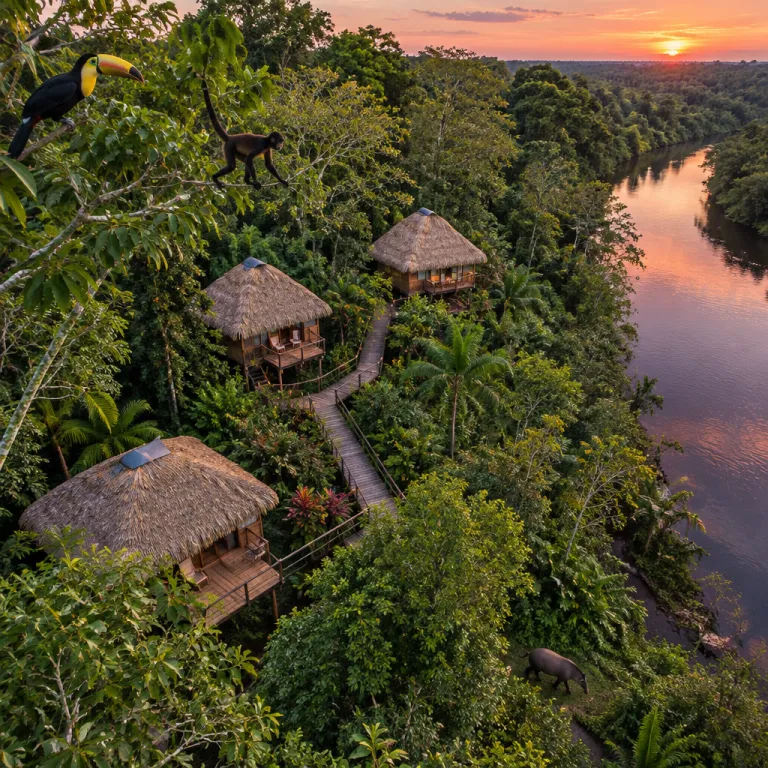
Where to stay in Belize for meaningful encounters with wild animals
The wild animals of Belize shape every serious hotel choice you make. When you understand how different habitats host different wildlife species, you can match your stay to the exact encounters you want. This is the key to choosing a place that feels both luxurious and deeply connected to nature.
Belize holds an exceptional density of mammals, reptiles, amphibians and birds within a compact area of jungle, coast and cayes. National policy now recognises that “Belize hosts rich wildlife: hundreds of mammal, bird, reptile, amphibian and marine species across diverse habitats”, and this diversity should guide where you sleep each night. If you care about seeing the emblematic wild animals of Belize rather than only reading about them, you need to think in terms of ecosystems, not just room categories.
On the mainland, the classic belize jungle lodges sit beside rivers, within broadleaf forest or near savanna edges. These locations bring you close to black howler troops, shy Baird’s tapir and the five wild cat species that still roam the forest, including the elusive jaguar. Along the coast and cayes, hotels face mangroves and seagrass beds where marine turtles, crocodile populations and coastal birds of Belize thrive, giving a very different window into belize wildlife.
For travellers focused on the most iconic wildlife Belize experiences, I recommend splitting your stay between at least two regions. Spend several nights in a forest retreat near a protected area, then add time on the barrier reef or a mangrove lined lagoon. This dual base lets you encounter land based wild animals of Belize such as howler monkeys and boa constrictors, then shift to marine life like sea turtles and rays without sacrificing comfort.
Hidden gems across mainland Belize reward guests who value silence, dark skies and the sound of tree frogs over nightlife. These smaller properties often work closely with local guides who understand snake species, amphibians and bird behaviour, which raises both safety and sighting quality. When you compare options, ask how the hotel supports wildlife Belize conservation and whether they collaborate with the Forest Department or the Belize Audubon Society.
Safety matters when you stay close to wild animals of Belize, especially around venomous snakes and large reptiles. Responsible hotels brief guests about snakes Belize realities, explain where crocodile and turtle nesting zones lie, and keep paths well lit without disturbing nocturnal species. This balance between access and respect is what separates a genuinely nature focused stay from a simple jungle themed marketing promise.
Hidden mainland stays for jungle mammals, from howler monkeys to jaguars
If your dream is to wake to the roar of a black howler, focus on forested river valleys in central and southern Belize. These areas hold some of the richest concentrations of wild animals of Belize, especially primates and forest dwelling cats. Choosing a hotel here means accepting a soundtrack of howler monkeys, tree frogs and night birds instead of traffic.
The belize jungle around the Cockscomb Basin Wildlife Sanctuary and the Maya Mountains shelters jaguar, puma, ocelot, margay and jaguarundi, although sightings of these five wild cat species remain rare. Camera trap projects run with local NGOs and the Forest Department confirm their presence, and some lodges share anonymised images during evening talks. While you are unlikely to see a jaguar, you will almost certainly hear howler monkeys and perhaps glimpse a spider monkey or two moving through the canopy.
Hotels near protected forest corridors often sit beside a river or under massive ceiba tree giants. This landscape attracts a mix of reptiles amphibians, including turtles, frogs, toads and several snake species that hunt along the water’s edge. Ask whether your chosen property offers a trained wildlife guide for dusk walks, because this is when many amphibians and reptiles emerge.
In these regions, the wild animals of Belize are not a staged attraction but daily neighbours. Black howler families use the same tree routes above guest rooms, and guests sometimes watch a solitary boa constrictor sliding along a branch with its muscular tail hanging free. Responsible staff keep a respectful distance from any boa constrictors, fer lance individuals or other venomous snakes, and they will quietly redirect you if a path crosses a snake’s basking spot.
Travellers flying in from North America now have more flexibility, thanks to new nonstop routes that shorten the journey into Belize City. If you plan a winter escape focused on wildlife Belize experiences, consult a practical overview of new nonstop flights and how to rethink your winter trip. With easier access, you can comfortably add an extra night in a remote forest lodge without extending your overall holiday.
When comparing hidden forest hotels, look beyond room photos and ask specific wildlife questions. Which belize species are regularly heard or seen on the property, and do they record sightings of monkeys, birds or reptiles to share with guests. A serious answer that mentions black howler ranges, common snake species and seasonal bird movements is a strong sign of genuine expertise.
Rivers, wetlands and forest edges for birds, reptiles and amphibians
Some of the most rewarding wild animals of Belize encounters happen away from deep jungle, along rivers, lagoons and seasonal wetlands. These softer landscapes host a mosaic of birds, reptiles amphibians and small mammals that are easier to observe from a comfortable base. If you prefer gentle boat trips to steep hikes, this is your ideal setting.
Belize now lists around 605 bird species, and wetlands such as Crooked Tree Wildlife Sanctuary are legendary among birders. Hotels near these areas give you dawn access to herons, egrets, kingfishers and the more colourful birds of Belize like toucans and parrots, all without long transfers. Many properties work with specialist bird guides who understand both migratory patterns and the behaviour of local belize species.
Riverside hotels also bring you close to reptiles and amphibians that define the character of wildlife Belize. You may see a crocodile resting on a mud bank, a freshwater turtle surfacing near your canoe or a black water snake slipping between roots at the edge of the forest. Night walks with a trained guide often reveal tree frogs, toads and the occasional red eyed tree frog clinging to a low branch.
These amphibians are part of a confirmed list of 41 amphibian species in Belize, many of which depend on clean streams and intact forest. When you choose a hotel that treats wastewater properly and limits light pollution, you directly support the survival of these sensitive wild animals of Belize. Ask whether the property participates in any monitoring of frogs, toads or other amphibians, because such programmes signal a serious conservation ethic.
Timing matters for both comfort and sightings, especially in riverine and wetland zones. To align your hotel choice with the best wildlife Belize seasons, consult a detailed guide on the best time to visit Belize, seasons, weather and where to stay. Matching your travel dates to bird migrations, frog breeding calls and lower river levels will dramatically improve your experience.
When you evaluate riverside or lagoon hotels, ask how they manage encounters with snakes Belize wide and local crocodile populations. Staff should be able to name common snake species, explain which are venomous and outline clear safety protocols without exaggerating risks. This calm, informed approach lets you enjoy the full richness of belize wildlife while feeling secure on the water’s edge.
Coastal and cayes stays for turtles, marine life and coastal wildlife
Not all wild animals of Belize live in the forest, and many travellers underestimate the wildlife potential of coastal hotels. Stays on the cayes or along mangrove fringed shores can deliver close views of marine turtles, rays and coastal birds of Belize. If you want both reef time and wildlife, this combination is powerful.
The Belize Barrier Reef supports sea turtles, manatees, nurse sharks and countless fish species, while nearby mangroves shelter juvenile fish and reptiles. Hotels that front these habitats often host visiting turtles and rays in their lagoons, and some partner with marine biologists for guided snorkelling. When you book, ask whether the property follows national guidelines for lighting and beach furniture during turtle nesting season, because this directly affects belize wildlife.
Coastal mangroves and littoral forest also hold their own cast of land based wild animals of Belize. You may see a black heron stalking the shallows, a crocodile cruising a channel or a small turtle basking on a half submerged tree trunk. At night, listen for tree frogs and other amphibians calling from the mangrove roots, a reminder that reptiles amphibians thrive even at the sea’s edge.
Some cayes and coastal villages sit close enough to mainland forest that monkeys occasionally appear in nearby trees. While howler monkeys and spider monkeys are more typical of the belize jungle interior, fragmented forest patches near the coast still support small groups. If a hotel claims daily monkey sightings, ask which monkey species they see and how they prevent guests from feeding them.
For travellers who want to balance reef excursions with inland wildlife Belize experiences, Placencia makes an excellent base. From here you can enjoy elegant lagoon side stays, then join day trips into nearby forest reserves or marine protected areas. A curated overview of elegant ways to enjoy the best things to do in Placencia will help you pair your hotel with meaningful nature activities.
When comparing coastal properties, look for evidence of real conservation engagement rather than generic eco labels. Ask whether they support turtle monitoring, mangrove restoration or seabird nesting projects, and whether any belize species are regularly recorded on site. A hotel that can speak confidently about local snake species, crocodile behaviour and bird colonies is usually one that respects the wild animals of Belize beyond marketing language.
Understanding Belize’s snakes, reptiles and amphibians from a hotel base
Many travellers feel uneasy about the wild animals of Belize that slither, crawl or leap at night. Yet snakes, reptiles amphibians and other small creatures are essential to healthy ecosystems, and a good hotel will help you understand them rather than fear them. With the right guidance, encounters become fascinating instead of alarming.
Belize hosts at least 124 resident reptile species, including crocodiles, turtles and a wide range of snakes. Among the better known snake species are boa constrictors, the highly venomous fer lance and the white lipped pit viper, all of which play roles in controlling rodent populations. Most hotels in forested areas train staff to recognise these snakes Belize wide and to move guests calmly away if one appears near paths or buildings.
Non venomous snakes such as the boa constrictor are often seen near forest lodges, especially at dusk. Guides may point out a black patterned boa resting along a tree branch, its tail wrapped securely while it waits for prey. Responsible guides never allow handling of wild boa constrictors, and they emphasise that all wild animals of Belize should be observed quietly from a respectful distance.
Amphibians add another layer of interest to nights in the belize jungle. Tree frogs, toads and other amphibians emerge after rain, their calls echoing through the forest and around riverside hotels. Guests often hope to see the iconic red eyed tree frog, one of the most photographed amphibians in Central American travel media.
When choosing a hotel, ask whether they offer guided night walks focused on reptiles amphibians rather than only large mammals. A skilled wildlife guide will explain how frogs, toads and snakes fit into the broader web of belize wildlife, and how habitat loss threatens many of these smaller species. Properties that support national red list monitoring or local amphibian surveys are directly contributing to long term conservation.
For peace of mind, request clear information about how the hotel manages encounters with venomous snakes and other potentially dangerous wild animals of Belize. Look for practical measures such as keeping grass short near buildings, sealing gaps under doors and providing torches for night use. These simple steps allow you to enjoy the richness of wildlife Belize while minimising unnecessary risk.
Choosing hotels that respect primates, tapirs and other emblematic species
Some of the most charismatic wild animals of Belize are its primates and large mammals. Black howler groups, spider monkey families and the gentle Baird’s tapir all depend on intact forest corridors that often run close to hotels. Your choice of where to stay can either support these species or quietly undermine them.
The black howler, sometimes called the baboon in local Creole, is one of the loudest primates on Earth. Hotels near protected forest or riverine jungle often sit within established howler monkey territories, meaning you may hear their calls at dawn and dusk. Staff should be able to explain basic howler monkeys behaviour, such as why they vocalise and how far their calls travel through the forest.
Spider monkeys are more acrobatic, moving rapidly through the upper canopy and rarely descending to the ground. Guests sometimes glimpse a spider monkey crossing above a forest trail, its long tail acting as a fifth limb as it swings between branches. Any hotel that promotes close encounters with monkeys should have strict rules against feeding or touching, because habituation harms both monkeys and people.
Baird’s tapir, the national animal of Belize, is a shy forest browser that often feeds near rivers at night. Some remote lodges near watercourses occasionally record tapir visits on camera traps, sharing images with guests during talks about wild animals of Belize. If a property claims regular tapir sightings, ask whether they use red filtered lights and maintain quiet viewing distances to avoid stress.
When you evaluate hotels in or near wildlife Belize hotspots, pay attention to how they manage waste, noise and off trail exploration. Properties that keep rubbish secure, limit loud music and insist on guided walks are usually safer for both belize species and guests. These practices help maintain natural behaviour in monkeys, tapirs and other mammals that move through the forest.
Finally, consider whether the hotel collaborates with recognised conservation partners such as the Forest Department or the Belize Audubon Society. Participation in camera trap projects, nest monitoring or community education shows a long term commitment to belize wildlife rather than short term marketing. By directing your booking towards such places, you actively support the future of the wild animals of Belize you came to see.
Practical booking checklist for wildlife focused stays in Belize
Turning your interest in the wild animals of Belize into a satisfying trip requires careful hotel selection. A structured checklist helps you compare properties beyond surface level style and location. Use these questions to align your stay with the wildlife experiences you value most.
Start by clarifying which habitats and species matter most to you. If you want primates and forest cats, prioritise belize jungle lodges near protected areas and known black howler ranges. For bird rich wetlands, reptiles amphibians along rivers and easier access to turtles, crocodile sightings and tree frogs, look at riverside or lagoon based hotels.
Next, examine each property’s relationship with local wildlife Belize. Do they employ trained naturalist guides who can interpret snake species, amphibians and birds of Belize, or do they rely on generalist tour operators. Ask whether they keep a sightings log of belize species, including monkeys, frogs, turtles and notable reptiles such as boa constrictors or white lipped pit vipers.
Safety and ethics should sit alongside comfort in your decision making. Confirm how the hotel manages encounters with venomous snakes Belize wide, crocodiles and other potentially dangerous wild animals of Belize, especially around children. Clear, calm protocols and staff who can distinguish between harmless black snakes and dangerous fer lance individuals are essential.
Finally, consider logistics and seasonality when you book. Check flight options into Belize City, transfer times to remote forest or coastal areas and how weather patterns affect access to wildlife hotspots. Splitting your stay between a forest base and a coastal or wetland hotel often delivers the most balanced view of belize wildlife in a single trip.
By applying this checklist, you move from passive sightseeing to thoughtful engagement with the wild animals of Belize. Your hotel choices will support conservation, enrich local communities and give you more authentic encounters with monkeys, frogs, birds and reptiles. In a country where every forest, river and reef holds life, that level of care truly matters.
Key wildlife and hotel related statistics for Belize
- Belize records approximately 605 bird species, according to the National Wildlife Policy, which means hotels near wetlands and forests can offer exceptional birdwatching directly from their grounds.
- There are 124 confirmed resident reptile species in Belize, so guests staying near rivers, mangroves or forest edges have a realistic chance of seeing turtles, crocodiles and several snake species during a short visit.
- Belize has at least 41 documented amphibian species, making night walks from jungle and riverside hotels particularly rewarding for travellers interested in frogs, toads and other amphibians.
- Five wild cat species live in Belize’s forests, so hotels located within recognised wildlife corridors contribute to the long term survival of jaguar, puma, ocelot, margay and jaguarundi.
- National policy now focuses on endemic species such as the Belize leaf toed gecko and the Centipede snake, which means hotels that support monitoring programmes directly assist national conservation goals.
FAQ about hotels and wild animals in Belize
Which wild animals of Belize can I realistically see from my hotel
From well located jungle or riverside hotels, you can realistically see black howler monkeys, a variety of birds of Belize, tree frogs, toads and sometimes non venomous snakes or turtles. Coastal and caye properties may offer views of marine turtles, rays, seabirds and occasionally a crocodile in nearby mangroves. Large cats such as jaguar are present but rarely seen, even near remote lodges.
Are snakes and other reptiles a serious safety concern at Belize hotels
Snakes Belize wide include both harmless and venomous species, but serious incidents at reputable hotels are rare. Well managed properties keep vegetation trimmed near buildings, provide good lighting and train staff to move guests away from any snake species, including fer lance or white lipped pit vipers. If you follow staff guidance, wear closed shoes at night and use a torch, the risk remains very low.
Where should I stay to hear black howler monkeys
To hear black howler calls at dawn, choose hotels near protected forest or riverine jungle in central and southern Belize. Lodges close to wildlife corridors around the Belize River Valley, Cockscomb Basin or the Maya Mountains often sit within established howler monkey territories. Ask the property directly whether howler monkeys are regularly heard or seen on site.
How can I be sure my hotel supports Belize wildlife conservation
Look for concrete actions rather than vague eco labels when you assess hotels. Properties that collaborate with the Forest Department, the Belize Audubon Society or local NGOs, participate in camera trap or nest monitoring and manage waste responsibly are genuinely supporting wild animals of Belize. Do not hesitate to ask for specific examples of recent conservation projects or community programmes.
Is it better to stay in one place or split my time between regions
For travellers focused on the diversity of belize wildlife, splitting time between at least two regions usually works best. A combination of a forest or riverside hotel with a coastal or caye property lets you experience both land based wild animals of Belize and marine life such as turtles and reef fish. This approach also spreads your tourism impact across multiple communities and habitats.