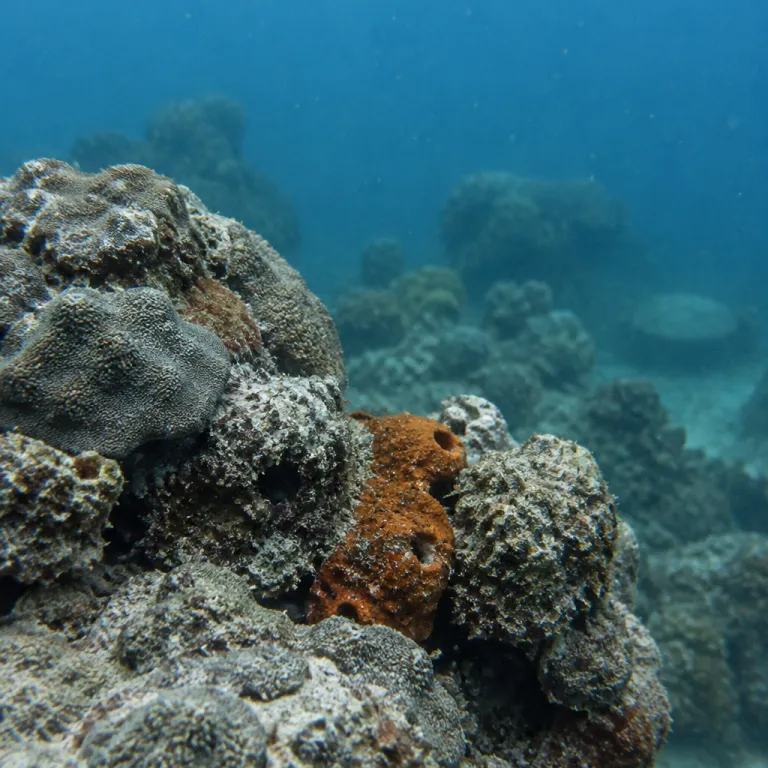
What Belize barrier reef snorkeling really feels like in October and November
On the Belize barrier in October and November, the reef feels wilder. Green season clouds slide over the sea, light shifts fast, and your Belize barrier reef snorkeling day can swing from glassy calm to whitecaps in a few hours. Water stays warm in the mid twenties Celsius, so you will be reaching for your mask, not a jacket.
Operators across Belize say the same thing about this shoulder season reality ; “How clear is the water in green season? Often lower than in dry season; varies day-to-day; can be 10-25 m visibility. Is snorkeling safe in Oct-Nov? Yes with caution; storms, currents and wind rising; choose calm mornings. What sea temperature can I expect? Warm water: mid-20s to low 30s °C depending on region.” That means your reef snorkeling expectations should shift from postcard perfection to a more flexible, weather permitting mindset, where you watch the sky as closely as the reef fish. When visibility drops closer to 10 or 12 meters on the outer reef, you still see sea turtles and the bright edges of coral heads, but distant walls blur into a soft blue haze.
Rain usually comes in pulses, not all day, so a snorkeling trip can still work between showers. Morning is your ally on the barrier reef, because winds tend to rise later and turn the sea choppy by mid afternoon. Think of green season Belize snorkeling as a trade ; fewer boats and quieter cayes in exchange for a little more patience with clouds and current.
Choosing your base: cayes, atolls, and hotels that work with the weather
If your whole trip orbits Belize barrier reef snorkeling, where you sleep matters more than the thread count. Staying on a caye close to a caye marine reserve cuts your boat time and lets you seize short, clear windows when the reef looks best. From Caye Caulker, Hol Chan Marine Reserve and Shark Ray Alley sit close enough that a guide can call you at breakfast and say the reef atoll channels look good right now.
Ambergris Caye offers more Belize snorkeling operators and larger boats, while Caye Caulker keeps the barefoot pace that many travelers want between each snorkeling trip. Both bases give you fast access to the barrier and to reef snorkeling sites where sea turtles graze and reef fish swirl over shallow coral gardens. If you want even tighter proximity to the reef, look at small lodges on Turneffe Atoll or Lighthouse Reef, where you can often snorkel from the dock when the sea calms.
Fall prices on these cayes usually soften, so you can book a hotel with a strong marine focus rather than paying for a scene you will barely use. Read recent reviews to learn how each place handles weather permitting cancellations and whether they coordinate directly with trusted reef operators. For more on how to balance reef time with laid back island life, this guide to unforgettable things to do in Caye Caulker when booking a Belize hotel gives a realistic sense of the rhythm on the ground.
Planning reef days around green season weather, not against it
In October and November, you plan your Belize barrier reef snorkeling around the sky, not your spreadsheet. The pattern often runs like this ; calmer mornings, building breeze by midday, and a higher chance of squalls or thunderstorms late in the afternoon. Reef operators leave early, watch the horizon constantly, and make go or no go decisions based on the latest marine forecasts rather than wishful thinking.
When you book a hotel, ask specific questions about how they schedule each snorkeling trip and dive outing in the green season. You want a place that works with several marine reserve licensed guides, offers early departures to the outer reef, and accepts that some days the boat simply will not leave the dock. Flexible, refundable bookings matter here, because you may shift a planned reef atoll excursion to a rainforest hike or to a visit of nearby Belize Maya sites if the sea looks angry.
Build two or three potential reef days into a week long trip, then let the weather decide which one becomes your big snorkeling trip to Turneffe or Lighthouse Reef. Pack a good mask, a thin wetsuit or rash guard, and reef safe sunscreen so you can move fast when conditions line up. For a deeper breakdown of how to match hotel choice with reef logistics, this detailed guide to Belize barrier reef snorkeling tours from hotels walks through questions to ask before you book trip deposits.
Linking reef, rainforest, and Maya history in a green season itinerary
Green season is when Belize feels most layered, and your Belize barrier reef snorkeling does not need to stand alone. Afternoon showers that rough up the sea also turn the rainforest a deeper shade of emerald, making inland days around San Ignacio or Punta Gorda feel lush rather than steamy. When the barrier looks too stirred up for a comfortable boat ride, you can pivot inland toward Belize Maya culture instead of staring at whitecaps.
Many travelers split their trip between a caye and a jungle lodge, using the reef for early morning snorkeling and the interior for visits to classic Maya sites such as Xunantunich or Caracol. This mix lets you learn how the same weather systems that shape the sea also feed the rivers and caves that once carried Belize Maya traders between coast and interior. It also means that a cancelled blue hole excursion or a rough day at Glover Reef hurts less, because you still have cave tubing, birding, or cacao farm visits on the calendar.
Some hotels now design packages that braid reef, rainforest, and heritage, pairing Turneffe or Lighthouse Reef stays with inland nights near Maya sites and Garifuna coastal towns. If your dates overlap with national celebrations, you can even time your inland stay using this guide on how to time a Belize independence celebration stay for culture and Mayan heritage. The real luxury here is not the infinity pool, but the reef at your doorstep one day and a jungle sunset over temple ridges the next.
FAQ
Is Belize barrier reef snorkeling worth it in October and November?
Yes, Belize barrier reef snorkeling can still be excellent in October and November, but conditions are more variable than in the dry season. You trade slightly lower visibility and a higher chance of choppy seas for fewer boats, quieter cayes, and better prices on hotels near the reef. If you stay flexible, aim for morning departures, and choose a base close to a marine reserve, the experience remains strong.
How clear is the water for reef snorkeling in the green season?
On the outer reef and atolls, visibility in the green season often ranges around 10 to 20 meters, depending on recent rain and wind. After calm spells, you may enjoy clarity close to dry season standards, while days following heavy squalls can look milky near river mouths. Choosing sites farther from the mainland and timing your snorkel for early morning usually improves what you see.
Is it safe to snorkel the Belize barrier during hurricane season?
Snorkeling remains generally safe when you go with reputable operators who cancel trips whenever seas or storms pose a risk. In October and November, you should expect more frequent weather permitting decisions, with some days simply not suitable for a boat ride beyond the barrier. Build backup inland plans into your itinerary and avoid pressuring guides to run trips when conditions look marginal.
Where should I stay for the best access to reef and atoll sites?
For fast access to the barrier reef, Ambergris Caye and Caye Caulker work well, because boats reach Hol Chan and nearby marine reserves in under an hour. If you want to focus on atoll great locations such as Turneffe Atoll, Lighthouse Reef, or Glover Reef, consider small lodges based directly on those reef atolls. Staying closer to the action shortens each boat trip and makes it easier to grab short calm windows between showers.
Can I combine reef snorkeling with visits to Maya sites in one fall trip?
Combining Belize barrier reef snorkeling with visits to major Maya sites is one of the green season sweet spots. You can spend several nights on a caye for reef snorkeling and then move inland to San Ignacio or southern Belize for temples, caves, and rainforest. This split itinerary gives you more options when the sea turns rough and deepens your sense of how Belize Maya history connects coast and interior.