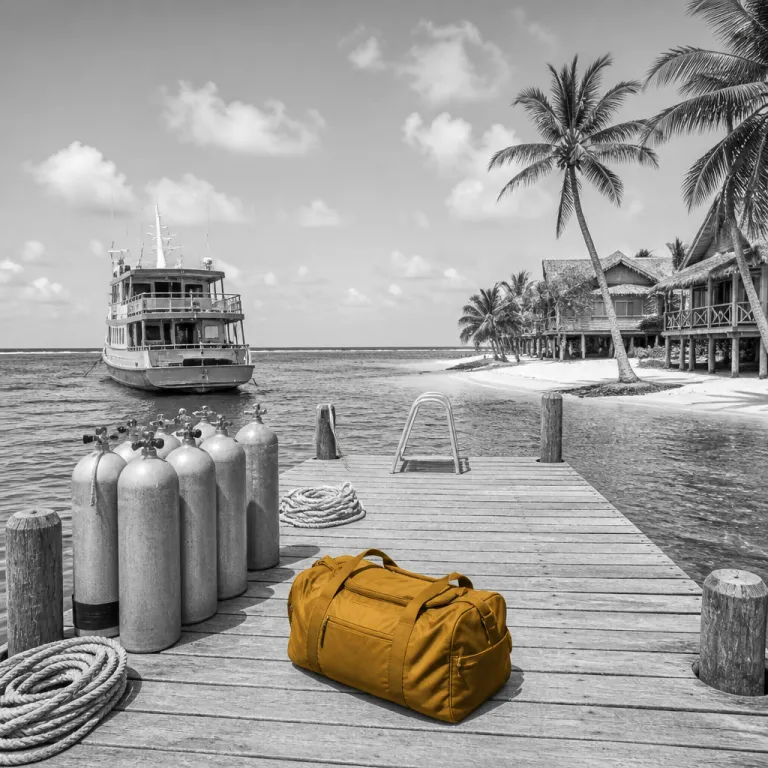
Why Belize liveaboard diving trips matter when you are booking a hotel
Belize liveaboard diving trips change how you should evaluate every hotel. When you plan several nights on the water and several nights on land, the way you select a hotel in Belize must reflect transfer logistics, storage for wet gear, and how easily you can reach the marina where your liveaboard Belize itinerary begins. Smart travellers treat the hotel and the liveaboard as one continuous trip, not two separate bookings.
Most Belize liveaboard diving trips depart from Belize City or from a cay, so you need a hotel that understands diving Belize and can coordinate early morning transfers to the pier. Ask in advance whether the front desk team can arrange taxis timed to the Belize Aggressor or other vessels, and whether they offer secure luggage storage for the nights you spend offshore so you are not paying for unused room nights. This simple step often turns a complicated trip into a smooth, stress free itinerary Belize that feels tailored to your diving rhythm.
When you combine a hotel stay with a Belize liveaboard voyage, you also gain flexibility to add extra dives on the barrier reef before or after your cruise. A well located hotel near the coast lets you book day dives to nearby dive sites such as Turneffe Reef or Lighthouse Reef, extending the sea life encounters beyond what is included in the standard liveaboard itinerary. For many guests, those added dives become the best memories of the entire trip.
Choosing the right hotel location for reef, cay and liveaboard access
Location is the single biggest hotel decision for travellers planning Belize liveaboard diving trips. If your liveaboard Belize departure is from Belize City, staying near the waterfront cuts transfer time and gives you more relaxed mornings before you board and settle into your cabin. When departures use a cay such as Turneffe or a staging point for Lighthouse Reef, you may prefer a hotel in Ambergris Caye or Caye Caulker with fast boat links.
For guests who want hotel based snorkeling before or after diving Belize from a vessel, properties in Ambergris Caye offer easy access to Hol Chan Marine Reserve and Shark Ray Alley, while Placencia hotels are better for southern dive sites and for itineraries that include Glovers Reef. To understand how Belize hotels shape your access to top snorkeling spots, review guidance such as this analysis of how Belize hotels influence reef access before you select your base. Matching your hotel’s pier, local operators and transfer options with your Aggressor III or other liveaboard schedule is what separates a rushed trip from a refined one.
Some travellers split their stay between the mainland and a cay to balance culture with reef half day excursions. You might spend two nights in Belize City to explore Mayan sites and then move to a hotel on a cay that offers sunset views over the reef and quick water taxis to your liveaboard Belize boarding point. This dual base strategy works especially well if your itinerary Belize includes both Turneffe Reef and Lighthouse Reef, because you can position yourself closer to the final disembarkation port.
How liveaboard itineraries shape your hotel and diving strategy
Every serious diver considering Belize liveaboard diving trips should study the itinerary Belize in detail before locking in hotel dates. A classic route with the Belize Aggressor or the newer Aggressor III will usually include Turneffe Reef, Lighthouse Reef and the legendary Blue Hole, but the order of these dive sites and the number of dives at each cay can vary. Understanding those details Belize wide lets you decide whether to add shore based diving Belize days before or after the cruise.
Some itineraries, especially itinerary Glovers options, include Glovers Reef and more remote atolls where marine life feels almost untouched, while others focus on Turneffe Reef and Half Moon Caye for a mix of wall dives and shallow reef half profiles. When your liveaboard Belize schedule already offers multiple dives at Half Moon Caye and Lighthouse Reef, you might prefer a hotel that specialises in mainland adventures such as cave tubing or wildlife watching rather than repeating the same reef. Resources that explain how to choose and protect your reef adventure from hotels can help you balance boat based and shore based experiences.
It is also wise to check whether your itinerary Belize includes night dives, shark encounters or macro focused muck dives, because these affect how much energy you will have for hotel based activities. After several intense nights of diving from a liveaboard Belize vessel, many guests appreciate a quieter hotel with a spa and calm beach rather than a party scene. Planning with this level of detail ensures that both your cabin experience and your time on land feel like parts of the same carefully curated trip.
Cabin comfort, dates and how they interact with your hotel stay
On Belize liveaboard diving trips, your cabin becomes both bedroom and gear station, so its layout matters as much as your hotel room. When you select cabin categories on vessels such as the Belize Aggressor or Aggressor III, consider whether you prefer twin beds for sharing with a dive buddy or a double bed for couples who will also share a hotel room before and after the cruise. Matching your cabin and hotel configurations avoids awkward reshuffling of roommates and luggage mid trip.
Departure dates also influence how you structure your nights on land, especially around busy Sep and Oct periods when diving Belize conditions can shift with the weather. Many divers book one or two buffer nights in Belize City or on a nearby cay before boarding, which protects against flight delays and gives time to shake off jet lag before the first deep dive. If you are travelling in cabin Oct sailings or during popular Sep holiday weeks, securing both your select cabin and your preferred hotel early is essential because the best rooms and berths sell out together.
When you review details Belize wide for each sailing, pay attention to how many nights are spent at each reef system and how many total dives are offered. A seven night itinerary Glovers or Turneffe focused trip might include up to five dives per day, which can leave you pleasantly exhausted when you return to your hotel. Choosing a property with late checkout, strong air conditioning and easy access to laundry makes that transition from compact cabin to spacious room feel like a reward rather than a logistical chore.
Matching reef systems and marine life with your hotel based experiences
Belize liveaboard diving trips are defined by three main reef systems, and your hotel choice can extend each one. Turneffe Reef offers mangrove lined channels, steep walls and cleaning stations where sea life gathers, so a hotel that partners with local operators for extra Turneffe day dives lets you deepen that experience. Lighthouse Reef and the Blue Hole deliver dramatic drop offs and Half Moon Caye’s famous booby colony, which pair beautifully with a quiet beach hotel where you can process those intense dives in peace.
Glovers Reef, often featured in itinerary Glovers programs, feels more remote and pristine, with coral gardens that showcase some of the best marine life in the Caribbean. If your liveaboard Belize schedule already includes several dives there, you might use your hotel nights to explore different ecosystems such as the jungle rivers near San Ignacio or the coastal lagoons around Placencia. Travellers who crave more time in the water can also arrange reef half day snorkeling tours from their hotel, targeting shallower dive sites that complement the deeper profiles logged from the liveaboard.
Because each cay and reef system has its own character, it helps to think of your trip as a tapestry of habitats rather than a checklist. A cay near Turneffe might be ideal for relaxed snorkeling with turtles, while a stay closer to Belize City positions you for quick returns from the Belize Aggressor or Aggressor III after a week offshore. When hotel staff understand diving Belize culture, they can suggest specific excursions that align with the sea life you have not yet seen, whether that means eagle rays on a final reef half day or manatees in sheltered coastal lagoons.
Practical planning: from select cabin to hotel services that support divers
Planning Belize liveaboard diving trips alongside hotel stays is easier when you approach it step by step. Start by confirming your select cabin on the Belize Aggressor or Aggressor III, then lock in flights that arrive at least one day before boarding and depart at least one day after disembarkation to respect no fly times after repetitive dives. With those anchors in place, you can calmly select a hotel that bridges the gap between airport, marina and your preferred post trip activities.
Look for properties that explicitly mention services for diving Belize guests, such as secure gear storage, early breakfast for divers, and partnerships with reputable operators for extra dives or snorkeling. Articles that explain how to choose the right hotel base in Belize can help you evaluate whether a property’s location and amenities truly match your itinerary Belize and liveaboard Belize plans. When a hotel team is used to handling guests from the Belize Aggressor, they will already know how to time airport shuttles, arrange late checkouts and coordinate with pier transfers.
Finally, keep a simple checklist of details Belize travellers often overlook, including travel insurance that covers liveaboard diving trips, confirmation of how many nights you will actually sleep on the vessel, and clear notes on any extra fees for marine park entries at Half Moon Caye or Glovers Reef. Sharing this information with both your hotel and your liveaboard Belize operator ensures everyone understands your full trip. The result is a seamless journey where every cabin, cay, reef and room works together to deliver the best possible life underwater and on shore.
Key figures that frame Belize liveaboard diving and hotel planning
- The Belize Barrier Reef Reserve System extends for about 300 kilometres along the coast, making it the second longest barrier reef in the world after Australia’s Great Barrier Reef, which explains why liveaboard Belize itineraries can offer varied dive sites without long open ocean crossings (UNESCO World Heritage Centre, “Belize Barrier Reef Reserve System”, accessed 2024).
- More than 500 species of fish and around 100 species of coral have been recorded in Belize’s reef ecosystems, so divers combining hotel stays with Belize liveaboard diving trips can realistically expect to encounter new marine life on almost every dive (Belize Fisheries Department, national reef monitoring data compiled 2023).
- The Blue Hole within Lighthouse Reef is approximately 300 metres across and about 125 metres deep, which is why most responsible operators limit recreational dives there to the upper 40 metres and encourage additional reef half day dives nearby for colour and coral diversity (Belize Audubon Society, Blue Hole Natural Monument briefing 2023).
- Belize receives roughly 400,000 to 500,000 overnight visitors annually, and a significant share of these guests stay in coastal hotels that serve as gateways to Turneffe Reef, Glovers Reef and other offshore atolls used in itinerary Belize programs (Belize Tourism Board, annual tourism statistics 2019–2023).
- Typical Belize liveaboard diving trips offer between 20 and 27 dives over a seven night itinerary, so divers should plan at least 18 to 24 hours of surface interval in a hotel before flying home to respect standard no fly recommendations after repetitive dives (Divers Alert Network, recreational diving no fly guidance updated 2022).
FAQ about Belize liveaboard diving trips and hotel stays
How many hotel nights should I book around a Belize liveaboard trip ?
Most divers book at least one night in Belize before boarding and one or two nights after disembarkation. The pre cruise night protects against flight delays, while the post cruise nights provide a safe surface interval before flying and time to enjoy the mainland or a cay. If you are travelling in busy Sep or Oct periods, consider adding an extra buffer night because weather can affect domestic connections.
Is it better to stay in Belize City or on a cay before boarding ?
Belize City hotels are usually closer to international arrivals and to marinas used by vessels such as the Belize Aggressor, which simplifies early boarding. Staying on a cay like Ambergris Caye or Caye Caulker offers a more relaxed island atmosphere and easy access to local dive sites, but it adds a domestic flight or boat transfer to your itinerary Belize. Choose based on your tolerance for extra transfers and whether you want city convenience or island ambience.
Can I add shore based diving before or after my liveaboard Belize itinerary ?
Yes, many divers add one or two days of shore based diving Belize from hotels in Ambergris Caye, Caye Caulker or Placencia. These extra dives are ideal for shallower reef half profiles and for photography focused sessions that complement the deeper walls at Turneffe Reef, Lighthouse Reef or Glovers Reef. Just remember to keep a safe no fly interval after your final dive, whether it is from a hotel based operator or from the liveaboard.
What should I look for in a hotel if I am a diver ?
Divers should prioritise hotels with reliable early breakfast, secure gear storage, strong air conditioning and flexible check in or checkout policies. Proximity to the marina or to water taxi piers is valuable if your Belize liveaboard diving trips start from Belize City or a nearby cay. It also helps when staff are familiar with operators such as the Aggressor III, because they can coordinate transfers and understand the needs of guests who arrive with a lot of equipment.
When is the best time of year for Belize liveaboard diving trips ?
Belize offers year round diving, but many travellers prefer the drier months from late winter to early summer for calmer seas and clearer visibility. Sep and Oct can still deliver excellent diving Belize conditions, though there is a higher chance of storms, so flexible hotel and flight arrangements are wise. Whatever month you choose, booking both your select cabin and your preferred hotel well in advance gives you the best combination of dates, rooms and reef access.