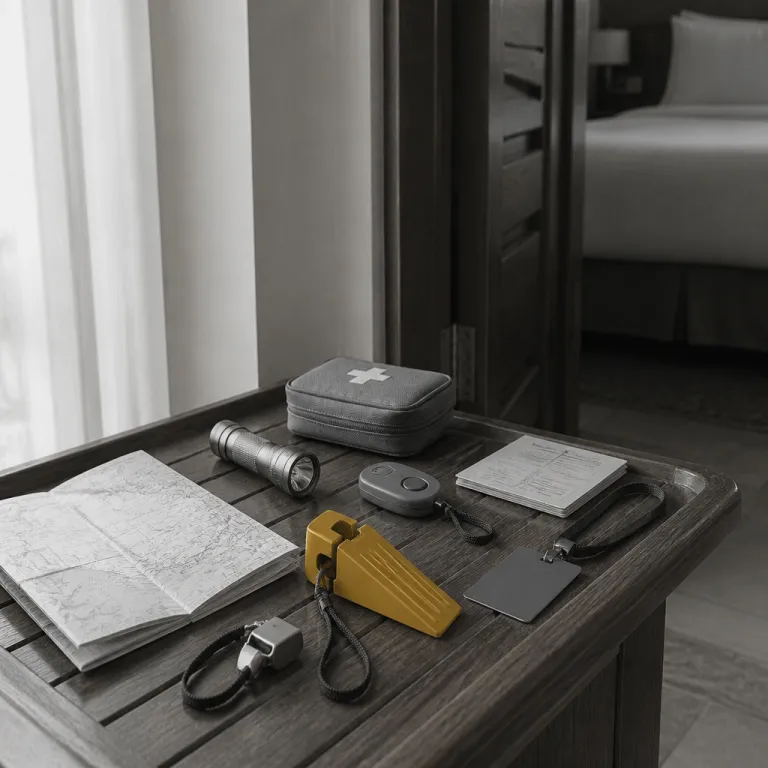
How safe is Belize for tourists choosing a hotel base
Is Belize safe for tourists who are carefully choosing where to stay? For most travellers the country is a rewarding destination when you match your hotel location with realistic expectations and a willingness to exercise high awareness in certain areas. Personal security in Belize depends strongly on whether you remain in established tourism zones or wander into neighbourhoods where a high degree of violent crime affects local communities.
Belize is a small country with striking contrasts between tranquil islands, rural districts, and busy urban areas. Tourist focused destinations such as San Pedro on Ambergris Caye or the Placencia Peninsula feel very different from southside Belize City, where visitors should avoid non essential wandering and use transportation arranged by trusted hotels. When you are travelling for leisure your choice of hotel can either insulate you from risk or place you closer to the pressures that local residents navigate daily.
Current travel advice from several governments, including the U.S. Department of State and Global Affairs Canada (advisories reviewed in March 2024), rates Belize at a level that asks visitors to exercise high caution rather than to cancel trips. That means the answer to the question of safety is nuanced, because most incidents occur away from resort corridors yet still within the same districts you may transit through. By combining sensible behaviour, reliable travel insurance, and respect for guidance from local authorities you can enjoy Belize while keeping risk to a manageable degree.
Understanding Belize City, southside Belize, and safer hotel zones
Belize City is the main gateway for international travellers and the place where many visitors first weigh up security concerns. The city has improved policing in some waterfront and tourism areas including the Fort Street area near the cruise terminal, yet it still records a high rate of violent crime compared with the rest of the country. The Belize Crime Observatory and regional public security reports have documented a homicide rate above 20 per 100,000 people in recent years (for example, 21.7 per 100,000 in 2022, Belize Crime Observatory bulletin 2023), which underlines why a high degree of situational awareness is essential when you stay or transit here.
Southside Belize City in particular is an area that most travellers should avoid except for essential transportation arranged by trusted operators. When you must cross between the airport, water taxis, and hotels, use registered taxis or private transfers recommended by your accommodation, and avoid walking with luggage through unfamiliar areas especially after dark. Local authorities and the Belize Police Department repeatedly advise visitors to stay in well lit, populated streets and to keep valuables out of sight, which is practical advice rather than alarmism.
Many travellers choose to overnight near the international airport or in carefully managed hotels in safer parts of Belize City before continuing to island or inland destinations. For example, some guests book airport shuttles through well known properties such as the Best Western Plus Belize Biltmore Plaza or small northside guesthouses that coordinate closely with licensed taxi drivers. A Belizean hotel manager in the northside districts, interviewed in 2023 for a local tourism survey, noted that guests who follow staff guidance on taxi use and walking routes “rarely report serious incidents.” If you prefer to minimise urban exposure you can connect directly to domestic flights or water taxis for San Pedro or Caye Caulker, where the atmosphere is more relaxed and the degree of street crime is generally lower. In every case monitor local news through your hotel front desk, follow official travel advice from your home high commission or embassy, and be ready to adjust plans if severe weather or security incidents affect transportation routes.
Island stays in San Pedro and Ambergris Caye: safety, golf carts, and nightlife
For many visitors wondering about personal security, the answer feels most reassuring once they reach San Pedro on Ambergris Caye. The island is the busiest beach destination in the country and has a strong tourism infrastructure, yet even here a high degree of personal responsibility matters, especially at night. Petty theft, opportunistic crime, and occasional violent crime do occur, usually when travellers mix alcohol, cash, and isolated areas away from main streets.
Most hotels in San Pedro and across Ambergris Caye arrange transportation from the airstrip or water taxi pier, which reduces the need to navigate unfamiliar areas on arrival. Golf cart rentals are the primary mode of driving for visitors, and while they feel casual they are still vehicles that require sober judgement, seatbelts where available, and respect for local traffic rules. Avoid driving a golf cart on unlit roads late at night, especially north of town, and use taxis or walk in groups along busy streets instead.
Health and safety on the islands also involve basic tropical awareness, including hydration, sun protection, and mosquito control to reduce the risk of Zika virus or dengue fever. Medical facilities on Ambergris Caye can handle routine issues, but serious cases require evacuation to Belize City or abroad, which is where comprehensive travel insurance becomes essential for travellers. When you combine sensible nightlife habits, secure storage of your passport and valuables in your room safe, and respect for local advice from hotel staff, island stays remain one of the more comfortable options for a relaxed Belize holiday.
Mainland hidden gems: safe bases beyond the usual resort strips
Travellers who look beyond the islands often ask whether inland Belize is safe for tourists who want quieter hotels close to nature. The answer is generally positive, because many of the country’s hidden gems sit in rural districts where communities rely on tourism and work closely with local authorities to protect guests. Popular bases such as San Ignacio in Cayo District or Hopkins and Sittee River in Stann Creek offer access to jungle, waterfalls, and Maya sites while maintaining a calmer pace than Belize City.
When travelling to these areas you will usually arrive by road, either in a shared shuttle, private transfer, or rental car, and each option carries its own safety profile. Driving in Belize during daylight is manageable for confident drivers, but you should avoid night driving because of unlit roads, speed bumps, and animals, and instead plan entry and exit times carefully with your hotel. Many inland lodges provide transportation packages that include airport pick up, guided excursions, and local travel advice, which reduces the need to improvise routes in unfamiliar country terrain.
Hidden gems such as the Mountain Pine Ridge area, the Toledo District, or remote river lodges near the Guatemalan border reward travellers who exercise high awareness while respecting local customs. These regions see far less violent crime than urban centres, yet you should still secure your passport, monitor local weather for sudden storms, and keep your hotel informed of day trips. By choosing established properties that coordinate with the Belize Tourism Board and nearby communities, you gain both consular assistance channels in an emergency and practical on the ground support that makes Belize feel safer as a destination.
Health, medical facilities, and why travel insurance is non negotiable
Health considerations are a central part of assessing risk, especially for travellers heading to remote hotels or jungle lodges. Belize does not require yellow fever vaccination for most visitors, but proof of vaccination is necessary for entry if you are arriving from a country where yellow fever is present, according to Ministry of Health and international health regulations updated in 2023. Routine vaccines, mosquito protection to reduce the risk of Zika virus and dengue fever, and careful food hygiene are all part of a sensible health strategy.
Medical facilities in Belize City include public hospitals and private clinics that can handle many emergencies, yet capacity and equipment may not match what you expect in larger countries. Outside the capital and Belize City, clinics in towns such as San Ignacio, Dangriga, and San Pedro provide basic care, but serious cases often require evacuation to Mexico or the United States, which can be extremely high in cost. That is why comprehensive travel insurance with coverage for medical evacuation, hospitalisation, and trip disruption is essential rather than optional for travellers staying anywhere in the country.
Before travelling check official travel advice from your home government, including any health notices related to mosquito borne illnesses or severe weather that might affect transportation and infrastructure. Ensure your passport is valid for the required period beyond entry and exit dates, and keep digital copies of documents in case you need consular assistance from your embassy or high commission. By combining preparation, respect for local health advice, and realistic expectations of medical facilities, you significantly improve the practical answer to whether Belize is safe for tourists.
Practical safety planning: documents, consular help, and monitoring local conditions
Administrative preparation often feels dull, yet it directly shapes outcomes in real emergencies. Before you travel verify entry requirements for your nationality, including passport validity, permitted length of stay, and any entry exit stamps or fees that apply at land borders or airports. Keep photocopies of your passport photo page and immigration entry stamp separate from the original, and store another copy with a trusted contact at home.
Register your trip with your embassy or high commission if that service exists, because it simplifies consular assistance if you lose documents or face a serious incident. Save emergency contact numbers for local authorities, your consular section, your travel insurance provider, and your hotel front desk in both your phone and a written note. In the event of theft, accident, or violent crime, report promptly to the Belize Police Department and request a written report, which your insurer and consular officers will usually require.
While travelling monitor local news and weather through hotel staff, radio, or official channels, especially during the Atlantic hurricane season when severe weather can disrupt transportation. Follow any evacuation or shelter advice from local authorities, and be prepared to adjust hotel bookings or routes if roads close or flights are cancelled. The Belize Tourism Board, the Belize Police Department, and community organisations collaborate using crime statistics, visitor surveys, and periodic safety audits to improve security for guests, and their efforts are reflected in official style guidance such as “Avoid Southside Belize City due to higher crime rates,” “Stay in well-lit, populated areas,” and “Use registered taxis, especially at night.”
For quick planning, many travellers find a short checklist helpful:
- Book hotels in established tourism zones and confirm 24/7 front desk or on-call support.
- Arrange airport and water taxi transfers through your accommodation or reputable operators.
- Carry only the cash you need each day and secure passports and cards in a room safe.
- Avoid walking alone at night, especially in Belize City and on unlit roads.
- Keep copies of documents and emergency numbers stored offline and in the cloud.
- Monitor weather and advisories daily during hurricane season and stay flexible with plans.
- Purchase travel insurance that includes medical evacuation and trip interruption cover.
Key safety statistics and official assessments for Belize
- Belize’s homicide rate has been reported at around 21.7 per 100,000 people in 2022, according to data compiled by the Belize Crime Observatory and regional security agencies (figures released in a 2023 overview), which is higher than many tourism competitors in the region and explains why visitors are urged to exercise high caution in certain urban areas such as southside Belize City.
- Several foreign ministries, including the U.S. Department of State and the United Kingdom’s Foreign, Commonwealth & Development Office (advisories consulted in March–April 2024), currently classify Belize at an advisory level equivalent to “Exercise Increased Caution,” which means travel is permitted but travellers should avoid specific neighbourhoods and remain alert in cities.
- Tourist arrivals to Belize have continued to rise over the past decade, according to Belize Tourism Board statistics released in 2023, reflecting growing confidence in the country as a destination when visitors follow travel advice and choose accommodation in established tourism zones.
- Local authorities, tourism agencies, and community organisations have expanded community policing and real time safety monitoring in key tourism areas, which has improved visible security around hotels, transportation hubs, and popular attractions.
FAQ: is Belize safe for tourists choosing where to stay
Is Belize safe for solo travellers staying in hotels
Is Belize safe for tourists who are travelling alone depends largely on where they stay and how they move around. Solo travellers who choose reputable hotels in established destinations such as San Pedro, Ambergris Caye, or San Ignacio and who avoid isolated areas at night generally report positive experiences. Recent foreign ministry advisories and consular briefings summarise the position as, “Is Belize safe for solo travelers? Yes, with standard precautions,” which aligns with on the ground feedback from many guests.
Are tourist areas in Belize safe compared with Belize City
Tourist focused areas such as the cayes, Placencia, and many inland lodges experience significantly less violent crime than parts of Belize City, especially the southside districts that visitors are advised to avoid. Official information from several governments notes, “Are tourist areas in Belize safe? Generally, yes; exercise caution in Belize City,” which reflects the reality that most incidents affecting travellers occur in or near the main urban centre. Choosing a hotel in a recognised tourism destination and arranging secure transfers through your accommodation is one of the most effective ways to manage risk.
What safety measures should hotel guests take while travelling in Belize
Authorities summarise the core guidance as, “What safety measures should tourists take in Belize? Avoid certain areas, stay vigilant, and follow local advice.” In practice that means securing your passport and valuables, using registered taxis or hotel arranged transportation, and avoiding walking alone at night in unfamiliar areas. Monitoring local news, respecting instructions from local authorities, and keeping your travel insurance and consular assistance contacts handy completes a robust safety plan.
Do I need special health precautions or vaccines for Belize
Most travellers to Belize do not require special vaccines beyond routine immunisations, but proof of yellow fever vaccination is mandatory if you arrive from a country where that disease is present, in line with international health regulations. Health agencies also recommend strong mosquito protection because of the regional presence of Zika virus and dengue fever, along with standard food and water precautions. Since medical facilities outside Belize City can be limited, comprehensive travel insurance that covers medical evacuation is strongly advised.
How does severe weather affect safety and hotel stays in Belize
Belize lies in a region exposed to tropical storms and hurricanes, so severe weather can disrupt flights, road transportation, and island water taxis. Hotels in established destinations usually have contingency plans, including backup power, communication with local authorities, and guidance on when to shelter or evacuate. Travellers should monitor local forecasts, follow travel advice from their embassy or high commission, and remain flexible with itineraries during the peak storm season.
Trusted references for further official guidance
For the latest official travel advice and safety updates related to Belize, consult the Belize Tourism Board, the Belize Police Department, and your own government’s foreign affairs ministry or high commission travel pages. When reviewing these sources, check the publication or update date on each advisory so you can match your hotel and itinerary choices to the most current information available.