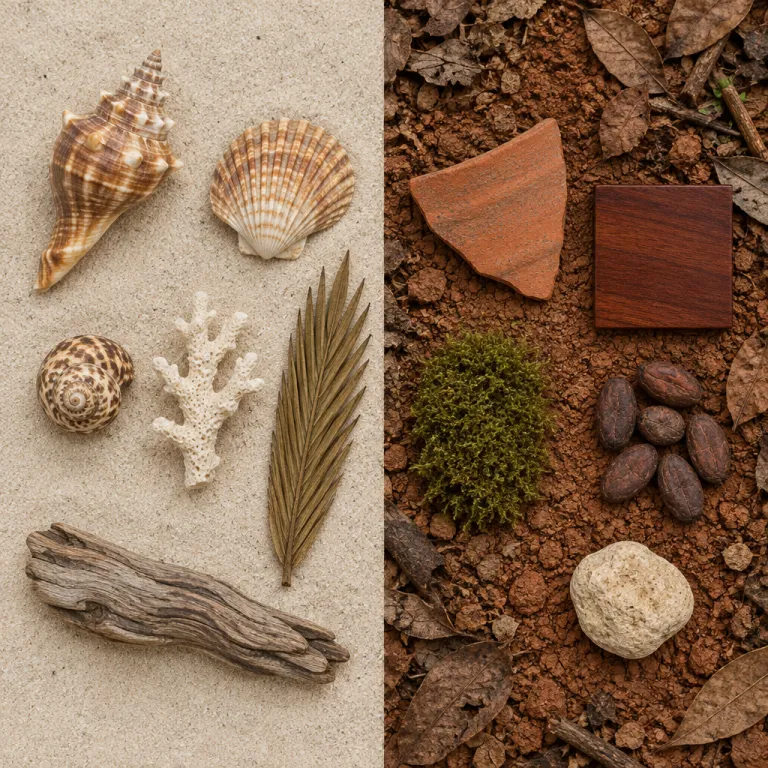
Belize inland vs islands for hotel stays: how the setting shapes your trip
Belize offers two very different hotel landscapes, with inland Belize giving you jungle lodges and riverside retreats while the islands focus on reef access and relaxed beach stays. When you compare Belize inland vs islands for accommodation, you are really choosing between waking to howler monkeys in dense inland jungle or to soft surf along a Caribbean beach on a caye or larger island. Both inland and coastal areas can anchor an exceptional vacation, but the right choice depends on how you like to travel and what you want from each trip.
On the islands, especially Ambergris Caye and Caye Caulker, hotels lean toward easy access to the Belize Barrier Reef and vibrant marine life, so travelers often step from their room straight onto a dock for snorkeling or diving. Inland Belize around San Ignacio, Chaa Creek, and the Cayo District focuses more on ancient Maya ruins, cave systems, and jungle trails, so your hotel becomes a base for guided excursions to sites such as Cahal Pech or the Actun Tunichil Muknal cave. Many people split their vacation package between an inland hotel and an island stay, which lets them experience both the reef and the rainforest without rushing.
For those comparing Belize travel costs, island hotels on Ambergris Caye or in San Pedro often price higher than similar inland properties because of logistics and real estate pressures on a narrow coast. As a rough guide, midrange island rooms can run from about US$180–US$300 per night, while comparable inland lodges often fall between US$120–US$220, depending on season. These figures align with recent rate ranges published by the Belize Tourism Board and major booking platforms, though exact prices vary by date and availability. Inland, especially near San Ignacio or along the Hummingbird Highway, you will usually find better value for spacious rooms, lush grounds, and access to jungle activities that highlight the culture of the Maya people. Before you book, think about whether your priority is reef and beach time, or whether you want to immerse yourself in inland Belize landscapes, Maya history, and the quieter pace of the jungle.
Hidden inland gems in Belize: where to stay beyond the usual spots
Once you look past the classic comparison of Belize inland vs islands, a network of lesser known inland Belize hideaways appears, ideal for travelers seeking character and privacy. West of San Ignacio, small riverside lodges near Chaa Creek and the Macal River offer easy access to Cahal Pech and other Maya ruins while remaining far from the busier streets of Belize City. These inland hotels often sit within secondary jungle, where people wake to toucans and distant howler monkeys rather than golf carts and beach bars.
South of Belmopan and toward Placencia, the inland jungle meets the coast in rolling hills, citrus groves, and protected reserves that host intimate eco focused properties. Here, a guide can lead you from your room to a hidden cave entrance or a waterfall pool in under an hour, then arrange a day trip to the coastal beach at Placencia for a change of scene. This region suits travelers who want a vacation that balances quiet forest nights with occasional coastal excursions, without committing to a full island stay on a caye.
Inland Belize also attracts people considering long term stays or even real estate investments, because land and riverfront parcels usually cost less than on Ambergris Caye or Caye Caulker. If you are testing whether an inland lifestyle fits you better than island living, a structured trial stay can be invaluable, and resources that explain how trial stays shape real retirement decisions in Belize help you plan that phase thoughtfully. By basing yourself inland first, you can explore Maya communities, visit lesser known ruins beyond the main ancient Maya sites, and understand how responsible tourism supports both local people and fragile jungle ecosystems.
Islands and cayes: choosing between Ambergris Caye, Caye Caulker, and coastal Placencia
When travelers picture Belize, they often imagine a palm lined beach on an island, a wooden pier stretching toward the reef, and boats heading for coral reefs glowing beneath clear water. Ambergris Caye, anchored by the town of San Pedro, delivers that classic scene with a lively atmosphere, a wide choice of hotels, and fast access to the barrier reef for snorkeling, diving, and marine life encounters. Caye Caulker, by contrast, feels slower and more compact, with sandy streets, smaller guesthouses, and a relaxed rhythm that appeals to people who want a low key vacation.
On Ambergris Caye, many hotels sit along the coast north and south of San Pedro, so you can choose between staying near restaurants and nightlife or in quieter coastal stretches where the jungle vegetation meets the beach. Caye Caulker has no cars, so your hotel will always be within walking distance of the sea, and you can reach reef tours, fishing trips, or manatee watching excursions in minutes. Both islands offer vacation package options that combine accommodation, reef tours, and sometimes inland day trips to Maya ruins or the Actun Tunichil Muknal cave, which helps you compare Belize inland vs islands without changing hotels too often.
Placencia is not a caye or offshore island, yet it competes directly with the cayes because it offers a long beach, a laid back village, and boat access to the barrier reef while remaining on the mainland coast. Hotels along the Placencia Peninsula give you both coastal relaxation and easier overland access to inland Belize, so you can visit jungle reserves or Maya sites without a domestic flight. If you are planning a one week itinerary around where you stay, a sample seven day Belize itinerary might include three nights near San Ignacio, three nights in Placencia, and one night on Ambergris Caye, with travel legs such as a three hour road transfer between San Ignacio and Placencia and a short domestic flight of about 30–45 minutes between Placencia and San Pedro. This kind of route also illustrates how to get from San Ignacio to Ambergris Caye efficiently by combining road and air.
Culture, caves, and ruins: what inland Belize offers that islands cannot
The strongest argument for the inland side of the Belize inland vs islands debate lies in the depth of culture and history you can access from an inland hotel. Around San Ignacio and Chaa Creek, you are within easy reach of major Maya ruins such as Cahal Pech and Xunantunich, as well as smaller sites where ancient Maya structures still emerge from the jungle. Staying inland also places you closer to contemporary Maya communities, where people maintain traditional farming, language, and crafts that you rarely encounter on an island beach.
Inland Belize is also the gateway to some of the most dramatic cave systems in Central America, including the Actun Tunichil Muknal cave, often shortened to ATM, which contains human remains and ritual objects from the era of the ancient Maya. Guided tours into Actun Tunichil Muknal require you to wade, swim, and climb through chambers where stalactites hang above pottery and calcified bones, an experience that no reef or coastal excursion can replicate. Other caves across inland Belize offer tubing, abseiling, and gentle river floats, so travelers can choose between adrenaline filled adventures and quieter trips that still reveal the geological heart of the country.
Because these sites are sensitive, responsible tourism matters greatly in inland regions, and reputable operators limit group sizes, follow strict conservation rules, and work closely with local people. When you choose an inland hotel that partners with such guides, your vacation supports both cultural preservation and environmental protection, rather than simply extracting value from the jungle. This ethical dimension often persuades travelers who care about impact to favor at least a partial inland stay, even if they also want time on a caye or island near the reef.
Reef, beaches, and marine life: what the islands deliver best
On the other side of the Belize inland vs islands comparison, the cayes and coastal areas excel at effortless access to the sea, the barrier reef, and diverse marine life. From Ambergris Caye or Caye Caulker, boats reach the Belize Barrier Reef in minutes, bringing you to coral reefs where turtles, rays, and reef fish move through clear water. Many island hotels include dockside pick up for snorkeling or diving, so your beach vacation becomes a seamless sequence of reef excursions, sunset views, and relaxed evenings in San Pedro or along the shore.
For travelers who prioritize the beach itself, the islands and coastal Placencia offer more consistent sand and swimming than most of the mainland coast near Belize City, where mangroves and river mouths dominate. Ambergris Caye has long stretches of developed coast with seawalls and piers, while Caye Caulker offers smaller beaches but a strong social scene around the Split, where people gather to swim and watch the reef side horizon. Placencia’s peninsula combines a long natural beach with easy access to offshore cayes, giving you a hybrid of island style relaxation and mainland convenience.
Marine reserves such as Hol Chan and Shark Ray Alley showcase how responsible tourism can protect coral reefs while still supporting local people through guiding and hospitality. The Belize Tourism Board and conservation groups like the Healthy Reefs for Healthy People Initiative publish monitoring reports that document improvements in reef health in well managed marine protected areas, demonstrating that careful visitor management can support coral resilience. These reports, based on long term field surveys and water quality data, provide a useful reference if you want to verify how tourism and conservation interact on the Belize Barrier Reef. When you choose operators who respect no touch policies and avoid feeding wildlife, your reef trip helps sustain the very marine life you came to see. If you are weighing whether to spend more nights inland or on an island, think about how many days you want on the water, because every extra day on a caye or coastal base usually translates into another chance to explore the reef.
Costs, logistics, and practical tips for choosing your hotel base
Price often becomes the deciding factor in the Belize inland vs islands debate, because island logistics and limited real estate push nightly rates higher on Ambergris Caye and Caye Caulker. Inland Belize around San Ignacio, Chaa Creek, and other jungle areas typically offers more space for the same budget, whether you choose a riverside lodge, a small inn near Maya ruins, or a family run guesthouse. To compare real hotel costs between island and inland stays, including Caye Caulker, Ambergris Caye, and mainland options, consult a detailed breakdown of Belize hotel and island costs that explains how transport and seasonality affect your final bill.
Logistics also differ sharply between inland and island bases, and those differences shape your overall Belize travel experience. Reaching San Pedro on Ambergris Caye or Caye Caulker usually requires a domestic flight of about 15 minutes from Belize City or a water taxi ride of roughly 60–90 minutes, while inland hubs such as San Ignacio or Belmopan are accessible by road in around two to three hours, which can simplify multi stop trips. If you plan to combine jungle, reef, and beach in one vacation package, consider flying into Belize City, heading inland first for caves and Maya ruins, then finishing on a caye or in Placencia for coastal relaxation.
When you book, pay attention to how each hotel supports responsible tourism, because both inland and island environments are fragile and depend on thoughtful management. Inland properties that protect surrounding jungle, limit river use, and employ local people help preserve the landscapes that make Belize unique, while island hotels that manage waste carefully and support coral reef conservation reduce pressure on the barrier reef. By aligning your hotel choice with your values, you turn the inland vs islands decision into an opportunity to support the long term health of Belize’s coast, jungle, and communities.
Designing a split stay: combining inland Belize and the islands in one trip
Many experienced travelers resolve the Belize inland vs islands question by refusing to choose, instead designing a split stay that highlights both environments. A common pattern is to spend three or four nights inland near San Ignacio or Chaa Creek, focusing on Maya ruins, jungle hikes, and cave adventures such as Actun Tunichil Muknal, then move to Ambergris Caye, Caye Caulker, or Placencia for reef and beach time. This approach works especially well for people on a first trip to Belize, because it reveals how closely the jungle, coast, and barrier reef connect in a relatively small country.
When planning a split stay, think in terms of themes rather than just geography, so each segment of your vacation feels distinct. Inland Belize days might revolve around ancient Maya history, visits to Cahal Pech, and interactions with local people in markets and villages, while your island or coastal days focus on marine life, coral reefs, and relaxed evenings by the beach. A structured itinerary that shows how to sequence inland and island nights can prevent backtracking and wasted transit time, especially if you are working within a single week.
For those considering longer stays or even testing life in Belize before exploring real estate options, a split between inland and island rentals can reveal which environment suits your daily rhythm. Some people find that the social energy of San Pedro or Caye Caulker fits them, while others prefer the quieter pace of inland towns and jungle lodges. By treating your hotel choices as a guide to how you actually live on vacation, you gain insights that go far beyond the usual beach vs jungle debate and help you plan future trips with confidence.
Key figures on Belize inland vs islands stays
- According to the Belize Tourism Board, roughly two thirds of overnight visitors spend at least part of their trip on an island or coastal destination such as Ambergris Caye, Caye Caulker, or Placencia, while about one third stay exclusively inland, showing how strongly the reef and beach image shapes Belize travel. These proportions appear consistently in recent annual tourism statistics and visitor arrival reports.
- Data from the Belize Tourism Board indicate that Ambergris Caye and San Pedro account for the highest concentration of hotel rooms in the country, followed by Belize City and inland hubs such as San Ignacio, which confirms the central role of both island and inland bases in the national tourism economy.
- Surveys of visitors published by the Belize Tourism Board report that more than half of travelers who stay inland participate in at least one Maya ruins tour or cave excursion, while over 70 percent of island based visitors join a reef or marine life tour, highlighting how location drives activity choices.
- Conservation organizations working on the Belize Barrier Reef, such as the Healthy Reefs for Healthy People Initiative, have documented significant improvements in reef health over the past decade in well managed marine protected areas, demonstrating that responsible tourism practices on the islands can contribute to coral reef resilience. Their public report cards summarize trends in coral cover, fish biomass, and water quality across multiple reef sites.
FAQ about choosing between inland Belize and the islands
Is it better to stay inland or on an island for a first trip to Belize ?
For a first trip, a split stay usually works best, with several nights inland for Maya ruins, caves, and jungle, followed by time on an island such as Ambergris Caye or Caye Caulker for reef and beach. This combination lets you compare Belize inland vs islands directly while minimizing transit. If you must choose one, pick inland Belize for culture and adventure, or an island for marine life and relaxed coastal days.
How many days should I spend in inland Belize vs the islands ?
With one week, many travelers spend three nights inland around San Ignacio or Chaa Creek and four nights on an island or in Placencia. If you are passionate about diving and snorkeling, add more island days to maximize time on the barrier reef and coral reefs. Those who prioritize Maya history and jungle activities may reverse the ratio and stay longer inland.
Are hotels more expensive on the islands than inland ?
In general, hotels on Ambergris Caye, Caye Caulker, and other islands cost more than comparable inland properties because of higher logistics costs and limited coastal real estate. Inland Belize often offers larger rooms and more land for the same budget, especially around San Ignacio and along major highways. Checking detailed comparisons of Belize hotel and island costs can help you align your expectations with current prices.
Can I visit Maya ruins and caves if I stay only on an island ?
Day trips from islands to major inland sites are possible but involve long travel days, often starting with an early flight or water taxi to the mainland. You can reach some Maya ruins and caves from coastal bases, yet you will spend more time in transit and less time on site. Staying at least one or two nights inland near San Ignacio or another hub makes visiting places such as Cahal Pech or Actun Tunichil Muknal far more comfortable.
Is Belize safe for travelers choosing either inland or island hotels ?
Most visitors to Belize, whether staying inland or on the islands, experience a safe trip when they follow standard travel precautions such as using licensed guides, avoiding isolated areas at night, and securing valuables. Tourist hubs like San Pedro, Caye Caulker, Placencia, and San Ignacio have well established hospitality sectors used to international guests. As in any country, staying aware of your surroundings and following local advice helps ensure a smooth vacation.