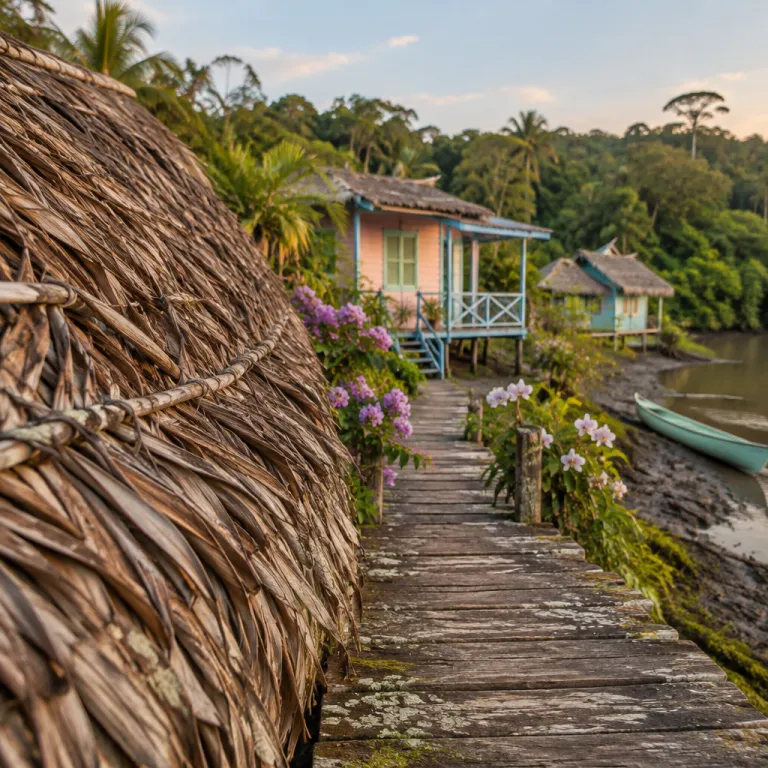
Why this belize travel guide focuses on hidden mainland stays
Belize is a small country in Central America with outsized character. While many travelers rush through on a cruise or fly straight to Ambergris Caye, the mainland quietly protects some of the best places to stay for those who value nature, culture, and calm. This Belize travel guide concentrates on mainland villages, forest reserve hideaways, and jungle lodges where you can actually hear the forest breathe at night.
When you visit Belize for more than a day, you start to notice how the country’s Caribbean coast, inland rivers, and Maya sites create distinct hotel zones that feel almost like different nations. Belize City works as a practical arrival point, but the most atmospheric hotels lie along the Hummingbird Highway, near the Sleeping Giant area, around the Cayo District, and beside protected forest reserve corridors that link to Guatemala and Mexico. This guide will help you book the right property in each of these regions, matching your trip style, budget in USD, and appetite for jungle or river adventures.
The Belize Tourism Board, the official tourism authority, frames it clearly in its own travel guides and online resources. It notes that “Belize offers diverse attractions,” highlights a “Dry season: November to April,” and advises visitors that the country is “Generally safe; exercise standard precautions,” while also confirming the Belize Dollar (BZD) as the national currency. Together, these points form the backbone of any serious Belize travel guide. As you compare hotels, you will see how these national realities shape everything from room design and food to the way local people host you in each village.
Choosing your region : from belize city gateways to forest reserve retreats
Most international travelers land in Belize City, then face a quick decision about where to sleep that first night. Some will book a Central American style business hotel near the waterfront, such as the Radisson Fort George or a simple guesthouse close to the water taxi terminals, while others head straight inland toward jungle lodges and riverfront cabins that feel a world away from the cruise terminals. Your choice on day one shapes the rhythm of your entire trip, especially if you plan to visit Belize for both reef and rainforest.
For a short stay or an early flight, Belize City hotels near the water taxis work well, since they keep you close to connections for Ambergris Caye and the barrier reef. If your Belize travel plans include the Blue Hole or intensive snorkeling and scuba excursions, consider one night in the city, then move to a coastal base such as Hopkins or Placencia where small hotels face the Caribbean and offer easy boat access. Travelers who care more about Maya sites, Mayan ruins, and forest reserve hikes will be happier driving west toward San Ignacio or south toward the Sleeping Giant area along the Hummingbird Highway, both roughly two hours by road from the international airport in light traffic.
Hidden gems often sit just off the main roads, where a short gravel track leads to river bends or low hills covered in cohune palms. In these places you find jungle lodges that blend into the forest, with only a few rooms and attentive guides who know every bird call by sound and season. When you book, ask whether the property partners with local village cooperatives, because that usually means more authentic food, better access to community Maya guides, and a direct benefit to nearby people.
Jungle lodges and forest reserve hideaways for nature focused travelers
Staying in one of Belize’s jungle lodges is the best way to feel the country’s wild interior without sacrificing comfort. These properties sit near forest reserve boundaries, rivers, or foothills, often within an hour’s drive of major Maya sites and cave systems. A strong Belize travel guide will always highlight them, because they turn a standard trip into an immersive experience where time slows and wildlife becomes part of your daily routine.
In the Cayo District, lodges near the Macal and Mopan rivers give travelers easy access to Mayan ruins such as Xunantunich and Cahal Pech, as well as day trips to the famous ATM Cave. Many of these jungle lodges operate on a small scale, with fewer than twenty rooms, which means staff will quickly learn your name, your preferred breakfast, and whether you are more interested in birding or adrenaline. From here, guides from established operators like Pacz Tours or local lodge-based teams can arrange tubing, waterfall hikes inside forest reserve lands, or cross-border excursions that connect Belize’s history to wider Central American trade routes.
Farther south, around the Sleeping Giant area and along the Hummingbird Highway, you find riverside retreats framed by limestone hills and citrus groves. These hotels often package guided visits to nearby Maya sites with farm to table food that features local rice and beans, plantains, and seasonal fruits. When you book, look for properties that include at least one guided night walk, because the forest transforms after dark and you will hear howler monkeys, spot kinkajous, and understand why this country protects so much of its remaining jungle.
Village stays and cultural immersion : where food and people define your trip
Some of the most rewarding places to stay in Belize are not on any cruise brochure or glossy advertisement. They are family run guesthouses and small hotels in Garifuna, Creole, and Maya village communities where daily life still follows the sea, the fields, and the church bells. A thoughtful Belize travel guide should point you toward these villages, because they reveal how the country really lives beyond the Caribbean postcards.
On the central coast, Hopkins and Seine Bight offer relaxed beach stays where Garifuna drumming echoes at night and local food stalls serve hudut, fresh fish, and generous plates of rice and beans. Travelers who choose to visit Belize during the dry season will find these villages ideal bases for both barrier reef snorkeling and scuba trips and inland day tours to Mayan ruins or the ATM Cave. Inland, in Toledo and southern Cayo, Maya village homestays and eco focused lodges such as community-run guesthouses in San Jose or San Miguel introduce you to traditional farming, cacao production, and sacred Maya sites that rarely appear in mainstream guides.
When you book in a village, ask how the hotel sources its ingredients and hires its staff. Properties that buy directly from local farmers and fishers usually serve the best food and create more stable jobs for nearby people, which in turn keeps young residents from leaving for larger Central American cities. Over several days, you will notice how quickly children, elders, and guides welcome you into community events, turning a simple hotel stay into a meaningful cultural exchange that stays with you long after your trip ends.
Reef, caves, and ruins : planning day trips from your mainland hotel
Choosing the right mainland base lets you reach Belize’s headline attractions without constant packing and unpacking. From a single well located hotel, you can plan day trips to the barrier reef, the Blue Hole, jungle waterfalls, and major Mayan ruins while still returning to the same comfortable bed each night. This Belize travel guide emphasizes hubs where guides, transport, and park access come together smoothly for travelers.
For reef focused stays, coastal towns like Hopkins and Placencia offer easy boat access to snorkeling and scuba sites along the barrier reef, including South Water Caye Marine Reserve and Glover’s Reef. While the famous Blue Hole usually requires a longer boat ride or a scenic flight, many travelers find that nearby patch reefs and atolls deliver equally rich coral and fish life with less time in transit. Inland, San Ignacio and the Sleeping Giant corridor serve as gateways to the ATM Cave, Caracol and other Maya sites, as well as forest reserve trails where you can spot toucans, iguanas, and sometimes tapirs.
Even if you are tempted by a short cruise that stops in Belize City, staying on the mainland gives you more flexible access to these experiences. You can adjust your plans based on weather, your energy level, and the advice of local guides who know when the best time will be for each activity. Many hotels maintain their own in house travel desk or partner with trusted tour operators, so you can book complex itineraries in USD or Belize dollars without worrying about hidden costs or last minute surprises.
Practical booking tips : budget, timing, and choosing the best stay
Hotel prices in Belize vary widely by region, season, and proximity to major attractions. On the mainland, you can still find comfortable rooms in the 60 to 120 USD range, while higher end jungle lodges and coastal resorts often start around 200 USD and climb from there. A serious Belize travel guide should help you match your budget to the right area, rather than pushing you toward the most famous names.
The best time to visit Belize for dry weather generally runs from late November through April, which aligns with peak travel periods such as winter holidays and spring break. During these months, you will pay more for rooms near the barrier reef and Ambergris Caye, but mainland forest reserve areas and village stays often remain more affordable and less crowded. In the green season, from June through early November, prices soften, the country looks lush, and patient travelers can secure excellent value in small hotels that rely on repeat guests and word of mouth guides.
When you book, pay attention to cancellation policies, transfer options from Belize City, and whether rates include breakfast or guided activities. Properties that bundle meals, basic tours, and transport can simplify your trip, especially if this is your first Belize travel experience and you prefer a clear total cost in USD before arrival. Finally, remember that Belize is a small country, so you can combine two or three regions in one itinerary, staying a few days by the Caribbean and a few more in the jungle without losing much time to travel days.
Key figures for planning a stay in Belize
- Belize has a population of about 420,000 people, which keeps even popular destinations relatively uncrowded compared with larger Central American countries (estimate based on recent World Bank data and Belize Statistical Institute figures).
- The national territory covers roughly 22,966 square kilometres, so travelers can cross major regions in a single day while still finding extensive forest reserve areas (data consistent with official Government of Belize statistics).
- The tourism calendar is shaped by a dry season from November to April and a wetter period from June to November, which helps you choose the best time for either reef trips or jungle adventures (information aligned with Belize Tourism Board guidance and national meteorological summaries).
FAQ : planning hotels and hidden gem stays in Belize
What is the best time to visit belize for mainland hotels
The most reliable dry weather usually runs from late November through April, which is the best time for combining jungle lodges, Maya sites, and reef excursions. If you prefer lower prices and greener landscapes, consider the shoulder months at the start or end of the rainy season. During those periods, many small hotels in village and forest reserve areas offer attractive discounts.
Is Belize safe for travelers staying outside belize city
Most rural areas, jungle lodges, and village communities feel calm and welcoming, especially when you follow standard travel precautions. As in any country, you should secure valuables, avoid walking alone late at night, and rely on hotel recommended guides for remote excursions. Belize City requires more awareness, so many travelers use it mainly as a transport hub rather than a long stay base.
How much should I budget in USD for a mainland hotel
Comfortable mid range hotels on the mainland often cost between 60 and 150 USD per night, depending on location and season. Higher end jungle lodges with guided activities and meals included can range from 200 to 400 USD or more. Remember that food, local transport, and guided day trips to Mayan ruins or the ATM Cave will add to your total Belize travel budget.
Can I see both the barrier reef and jungle from one hotel base
While no single hotel sits beside both the barrier reef and deep jungle, coastal towns like Hopkins and Placencia offer the best compromise. From there, you can reach snorkeling and scuba sites on the reef in under an hour by boat and still access inland waterfalls, forest reserve trails, and Maya sites on day trips. Many travelers split their trip between a coastal base and an inland lodge to reduce daily travel time.
Do I need to book tours in advance for hidden gem areas
For popular activities such as the ATM Cave or full day reef trips, advance booking is wise, especially in the dry season and around spring break. In quieter village and forest reserve areas, your hotel can often arrange guides on arrival, though specific Maya sites or conservation areas may still require notice. To avoid disappointment, confirm at least your first two major excursions before you visit Belize, then leave some days flexible for local recommendations.
References
- Belize Tourism Board
- Rough Guides
- Central Bank of Belize