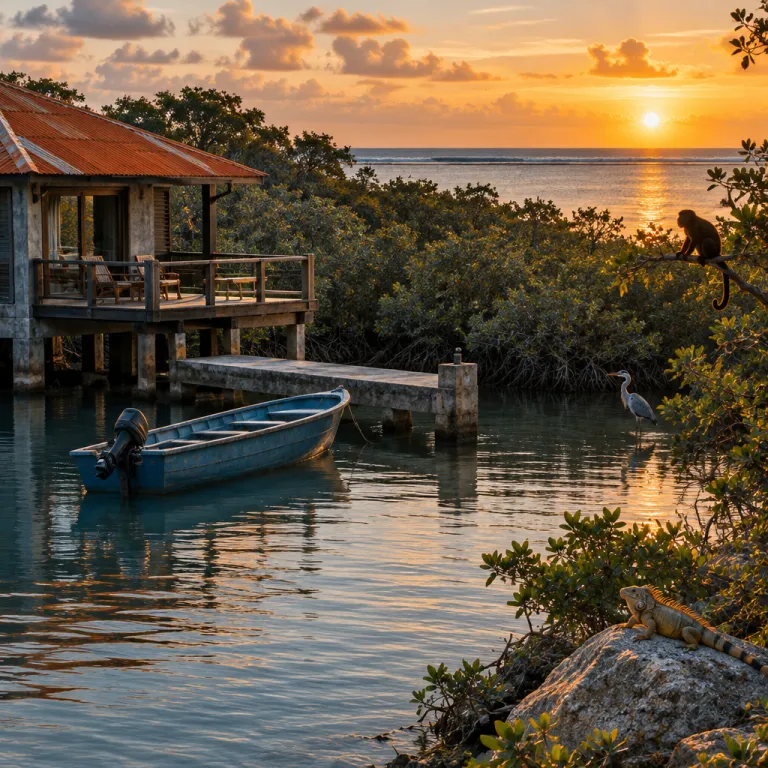
Why the animals of Belize should shape where you stay
Belize holds one of Central America’s richest concentrations of wildlife, and your hotel choice quietly decides which animals you will actually see. In a country where more than 500 bird species, dozens of mammals and countless reptiles share tropical forests and coastlines, the right base turns a simple stay into an amazing immersion in Belize’s natural world. For travellers who care about comfort as much as conservation, aligning your room key with the animals of Belize is the smartest first step.
On the mainland, lodges near protected areas place you close to howler monkeys, spider monkeys and even the elusive jaguar that still roams dense tree lined river valleys. Coastal hotels, by contrast, give easier access to turtles, seabirds and the coral reef species that define marine life in Belize, so your days will feel very different depending on where you sleep. Think of each region as hosting its own cluster of Belize species, from white lipped peccaries in broadleaf forests to keel billed toucans perched above rivers, and choose a hotel that matches the wildlife you most hope to encounter.
Timing matters as much as location, because the behaviour of animals in Belize changes with the seasons and the length of daylight. Between late November and April, drier weather means clearer trails and better visibility for mammals, while the wetter months around October bring lush leaf litter, more insects and intense bird activity. Ask each property how their local wildlife shifts between April and October, and which species you are most likely to see within a few hundred feet of your room.
Hidden forest lodges for howler monkeys, jaguars and secret trails
Travellers who dream of waking to the roar of a howler monkey should focus on small forest lodges scattered across western and southern Belize. These properties sit within or beside protected tropical forests where troops of howler monkeys and spider monkeys move through the canopy, often just three feet above your balcony. In these areas, the animals of Belize are not an abstract idea but daily neighbours, and you will eat breakfast while listening to their calls roll across the valley.
In the Cayo District, jungle stays near the Macal and Mopan Rivers offer regular sightings of black howler monkeys, colourful birds and nocturnal mammals such as kinkajous and armadillos. Guides here know where jaguar and ocelot cross old logging roads, and they read leaf litter and tracks with an expertise that turns every walk into a lesson in Belize wildlife. If you are considering a longer stay to test what life in Belize might feel like in retirement, some lodges now pair multi week bookings with curated nature programs, and you can read more about these trial experiences in this guide on how trial stays in Belize shape real retirement decisions.
Farther south in the Maya Mountains, remote cabins back onto reserves that shelter white lipped peccaries, tapirs and a healthy population of big cats. Night drives here sometimes reveal the reflective eyes and long tail of a jaguar slipping across the track, while daytime hikes focus on iconic birds such as the keel billed toucan and other emblematic Belize species. When comparing forest properties, ask how far the rooms sit from primary tree cover, how many feet you must walk to reach trails, and whether guides can tailor outings to specific animals you hope to see.
Rivers, wetlands and coastal mangroves where wildlife Belize comes to you
Not every traveller wants steep jungle trails, and some of the most rewarding encounters with the animals of Belize happen from a boat deck or riverside veranda. Hotels along the Belize River, the New River and coastal lagoons place you beside slow moving water where mammals, reptiles and birds converge at dawn and dusk. Here, the length of your stay directly influences how many species you will tick off, because each day brings a different rhythm of movement along the banks and through the mangroves.
On river bends lined with overhanging tree branches, you may watch a howler monkey family cross above while spider monkeys forage nearby, their tails acting as a fifth limb as they swing. Below them, turtles bask on logs, and snakes in Belize such as harmless tree boas rest coiled above the water, while herons and kingfishers patrol the shallows. Many of these wetlands hotels offer guided night cruises where spotlights pick out the black eyeshine of crocodiles and the silhouettes of roosting birds, giving you a layered view of Belize wildlife in a single outing.
Along the northern coast, mangrove edged retreats provide easy access to manatees, coastal turtles and flocks of waders that feed in the leaf litter of exposed flats. Choosing one of these properties also simplifies logistics, because transfers between airport, river and coast can be arranged in a single itinerary, and you can plan elegant ways to move around Belize using this dedicated guide on seamless transport for a hotel stay. When you compare options, ask whether rooms overlook open water or dense mangroves, how many feet separate your terrace from the shoreline, and which animals are most often seen without leaving the property.
Coastal hotels and cayes for turtles, seabirds and reef species
For many guests, the animals of Belize mean sea turtles gliding over coral and frigatebirds circling above turquoise water. If that is your vision, focus your hotel search on the barrier reef cayes and coastal towns such as Placencia and Hopkins, where marine wildlife is part of daily life. Here, the length of boat rides rather than hiking trails will shape your encounters, and you can choose between lively beachfront stays and quieter island hideaways.
On Ambergris Caye and Caye Caulker, resorts partner with dive shops that know the seasonal patterns of turtles, rays and reef fish species, including when certain areas close to protect spawning aggregations. Snorkel trips often bring you face to face with green and loggerhead turtles, while nearby mangroves shelter juvenile fish and the occasional small black tipped shark cruising in shallow water. Birders will appreciate that many cayes host nesting colonies of seabirds, and sunrise walks along the shore reveal tracks in the sand that hint at the nocturnal animals moving just beyond the lights.
Farther south, Placencia’s peninsula hotels offer a different balance of comfort and access to Belize wildlife, with day trips to offshore cayes and inland reserves both within reach. From here, you can split your time between reef and river, watching turtles and dolphins one day, then searching for howler monkeys and other mammals the next. If you are flying into Belize City first, it is worth reading this overview of how flight deals to Belize shape your Belize City hotel stay, because smart routing can free extra nights to enjoy both coastal and inland animals of Belize.
Belize Zoo, rescued wildlife and ethical encounters for hotel guests
Some visitors worry they will not have enough time or mobility to see the animals of Belize in the wild, especially on short business trips or family holidays. In those cases, staying within easy reach of the Belize Zoo offers a practical and ethical way to meet many emblematic species in a single, carefully managed setting. This open air facility, located along the George Price Highway, houses only rescued or rehabilitated wildlife, including jaguar, tapir, harpy eagle and several owl and parrot species.
Hotels between Belize City and Belmopan often include the Belize Zoo in their excursion lists, and a half day visit can be woven into a longer itinerary that still respects animal welfare. Enclosures here are spacious, shaded by native tree species and layered with leaf litter, giving mammals and birds room to behave naturally while remaining visible to guests. For travellers who may later explore deeper tropical forests, a first visit to the zoo helps you learn how to distinguish a howler monkey from a spider monkey, or a white lipped peccary from other pigs, so that wild sightings feel more meaningful.
Ethical operators will explain clearly which animals you are likely to see in captivity and which remain strictly wild, such as big cats that roam beyond the fence line. When choosing a hotel that promotes wildlife experiences, ask whether they support the Belize Zoo, local rangers or community conservation projects, and how your stay will contribute to protecting Belize species. Responsible properties will also brief you on safe distances in feet when viewing snakes, turtles or any black jaguar in enclosures, ensuring that your encounters remain respectful and safe for everyone.
Planning your stay around seasons, safety and the rhythm of animals Belize
Once you know which animals of Belize you most hope to see, refine your hotel search around seasonality and daily wildlife patterns. Between December and April, drier conditions make forest trails easier underfoot, and mammals tend to concentrate near remaining water sources, improving your chances of sightings. Around October, heavier rains bring explosive plant growth, deeper leaf litter and a surge of insects, which in turn attract more birds and amphibians, though some paths may be muddy.
Ask each property how they adapt activities between April and October, and whether certain Belize species are more visible at particular times of year. For example, guides may focus on early morning walks to hear howler monkeys calling from tree lines, then switch to night excursions to search for snakes and white lipped peccaries moving through tropical forests. Coastal hotels might time turtle watching to nesting or hatching periods, while river lodges adjust boat departures to match when animals come to drink or feed along the banks.
Safety and comfort should remain central, especially if you are new to close contact with Belize wildlife. Reputable hotels will brief you on how far, in metres and feet, to stand from a howler monkey or spider monkey, why you should never touch turtles, and what to do if you encounter snakes on a trail. They will also clarify what local animals will eat, why you must never feed them, and how simple habits such as keeping food off balconies protect both guests and the wider life in Belize that makes this country so compelling.
Key wildlife highlights to look for near your Belize hotel
As you compare hotels across Belize, it helps to match each region with a shortlist of signature animals of Belize that you are likely to encounter. Forest lodges in Cayo and the Maya Mountains excel for howler monkeys, spider monkeys, tapirs, white lipped peccaries and, with luck, the long tail and black rosettes of a jaguar glimpsed at dusk. River and wetland stays bring you closer to turtles, crocodiles, manatees and a dense concentration of birds, from herons and kingfishers to the national bird, the keel billed toucan.
Coastal and island hotels, by contrast, specialise in marine wildlife, including reef fish species, rays and several turtle species that nest on sandy beaches. Here, you may wake to pelicans diving just a few feet from shore, while frigatebirds and other seabirds patrol the sky above your room. Inland day trips from these bases can still connect you with mammals and forest birds, so a split stay between coast and interior often delivers the most balanced view of animals Belize.
Wherever you stay, ask detailed questions about which Belize species are regularly seen on site, how long typical outings last in terms of length and distance, and whether guides are trained naturalists. Properties that invest in interpretation help you understand how each monkey, spider, bird or reptile fits into the wider web of life in Belize, from the smallest insects in the leaf litter to apex predators in the canopy. With that context, every rustle in a tree, every glimpse of a tail or flash of black and gold plumage becomes part of a richer story that stays with you long after you leave.
Key figures about Belize wildlife and habitats
- Belize protects more than 36 percent of its land area under some form of conservation management, one of the highest proportions in Central America according to the Government of Belize.
- Over 500 bird species have been recorded in Belize, including the keel billed toucan and several migratory species that use the country as a critical stopover, based on data from the Belize Audubon Society.
- The Belize Barrier Reef Reserve System extends for roughly 300 kilometres along the coast and forms part of the second largest barrier reef in the world, as recognised by UNESCO.
- Biologists estimate that Belize hosts more than 150 species of mammals, including five wild cat species such as jaguar and puma, according to regional assessments by the Wildlife Conservation Society.
- Sea turtle monitoring projects along the Belize coast report thousands of nesting events each season for green, hawksbill and loggerhead turtles, highlighting the importance of coastal hotels supporting beach conservation programs.
FAQ about hotels and the animals of Belize
Which part of Belize is best for seeing monkeys near my hotel ?
The Cayo District and the southern Maya Mountains offer the most reliable sightings of howler monkeys and spider monkeys near forest lodges, especially those bordering protected areas. Properties along rivers with intact tree corridors also host regular visits from howler monkeys that move through the canopy above rooms and dining areas. When booking, ask whether troops of howler monkeys or spider monkeys are resident in the immediate area and how often guests see them.
Can I see jaguars while staying at a hotel in Belize ?
Jaguars are present across several forest reserves in Belize, but sightings remain rare and never guaranteed, even near remote lodges. Some properties in Cayo and southern Belize offer night drives or camera trap checks that increase your chances of indirect encounters, such as tracks, scat or images of a long tail and black rosettes. For close views of rescued jaguars in a controlled setting, hotels near the Belize Zoo can arrange visits where you learn about conservation without disturbing wild animals.
Is it safe to have snakes and spiders around my jungle hotel ?
Most snakes in Belize and spiders you may encounter near jungle hotels are shy and avoid people, and serious incidents are extremely uncommon when guests follow guide instructions. Well managed properties clear paths, brief visitors on how many feet to keep between themselves and any wildlife, and maintain contact with medical services as a precaution. If you are concerned, choose hotels that emphasise safety protocols and guided walks rather than unguided exploration in dense tropical forests.
When is the best time of year to see wildlife Belize from my hotel ?
Drier months from about December to April generally offer easier walking conditions and more predictable viewing of mammals around remaining water sources. The wetter period around October brings lush vegetation, more insects and intense bird activity, which can be excellent for birdwatchers willing to accept muddier trails. Your ideal time depends on whether you prioritise comfort and access or the most dramatic displays of animals Belize in full green landscapes.
Should I choose one hotel or split my stay between coast and jungle ?
Travellers focused on the full range of animals of Belize usually benefit from splitting their stay between an inland forest lodge and a coastal or caye hotel. This combination lets you experience monkeys, big cats and forest birds as well as turtles, reef fish and seabirds within a single trip. If time is limited, pick the environment that matches your top wildlife priorities and consider a day trip to the other habitat from your chosen base.